Women farmers in Imo State have been assured of support to scale up and boost their farming businesses.
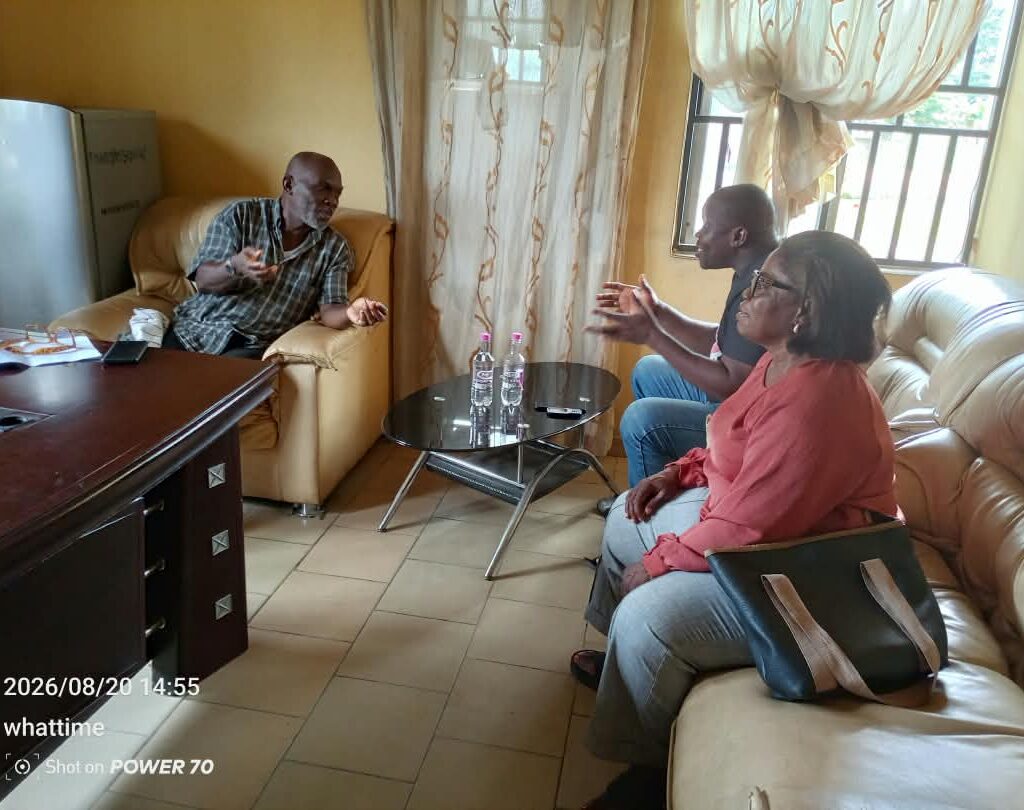
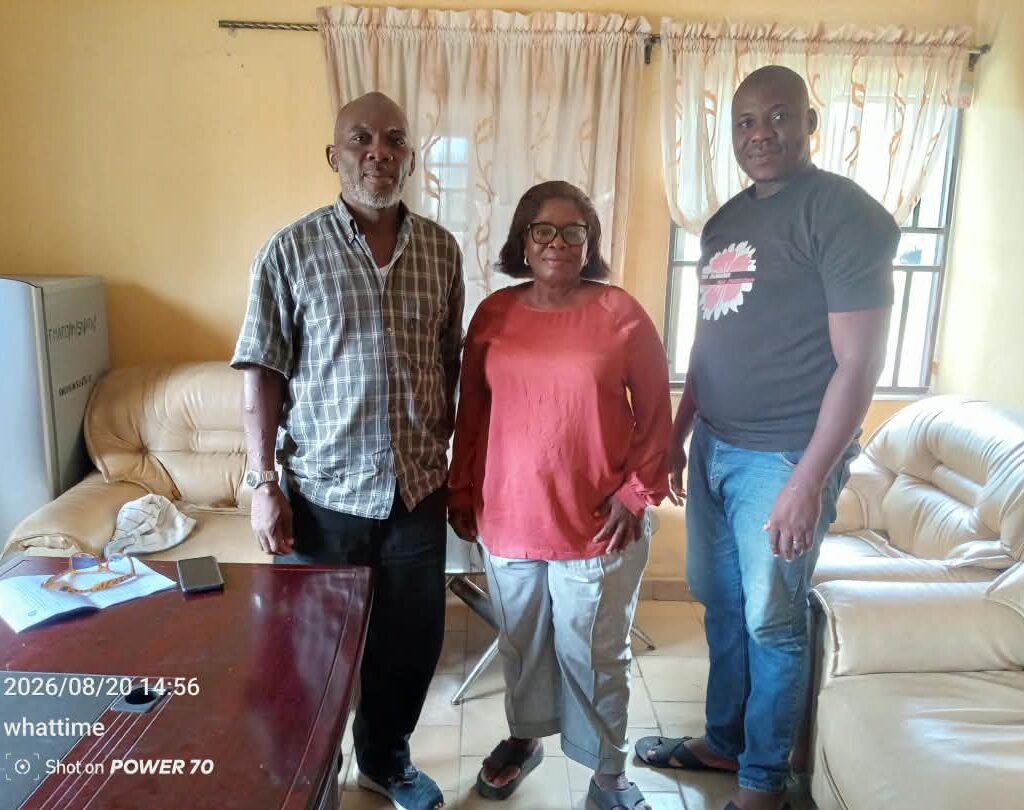
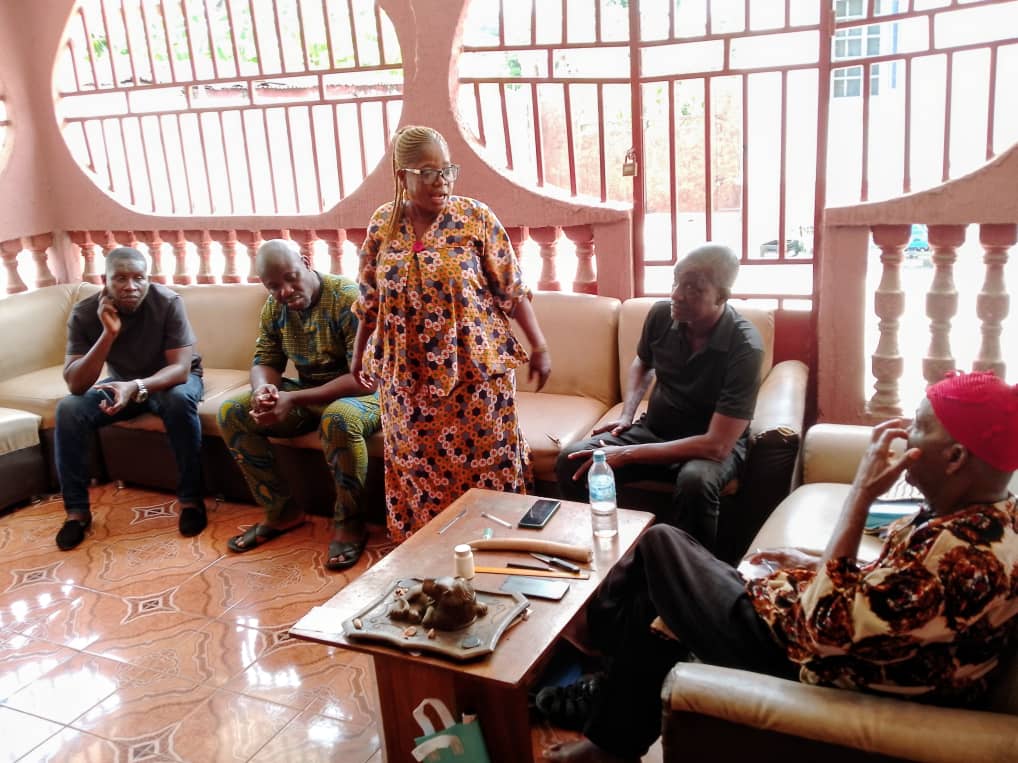
The Imo State Director, Federal Ministry of Agriculture and Food Security, Green Alternative Office, Mr. Peter Ogbonna, gave the assurance when the Executive Director of the non-governmental organization, Communal Care Centre, Mrs. Colette Bennett, led some staff members of the organization on an advocacy visit to his office in Owerri.
Mr. Ogbonna commended Communal Care Centre for its genuine commitment to supporting women in rural communities.
He assured the women of various agricultural interventions from the Federal Government, including financial support, and advised them to form cooperatives to facilitate access to support from the Ministry.
Earlier, the Executive Director of Communal Care Centre, Mrs. Colette Bennett, explained that the organization, which was founded 20 years ago, is implementing the Renewed Women’s Voice and Leadership Nigeria (RWVL-N) Project, an initiative funded by ActionAid Nigeria with support from Global Affairs Canada, aimed at strengthening women’s capacities and amplifying their voices in their communities.
She solicited the partnership of the Ministry to ensure that the women benefit from agricultural interventions provided by the Federal Government.
Mrs. Bennett also disclosed plans to train the women in financial literacy, the Village Savings and Loan scheme, and value-chain development, initiatives aimed at empowering them economically and giving them a stronger voice in their communities.
She emphasized that an empowered woman will have the confidence and capacity to make her voice heard in her community.
Insecurity limits people’s ability to live peacefully and participate fully in community life.
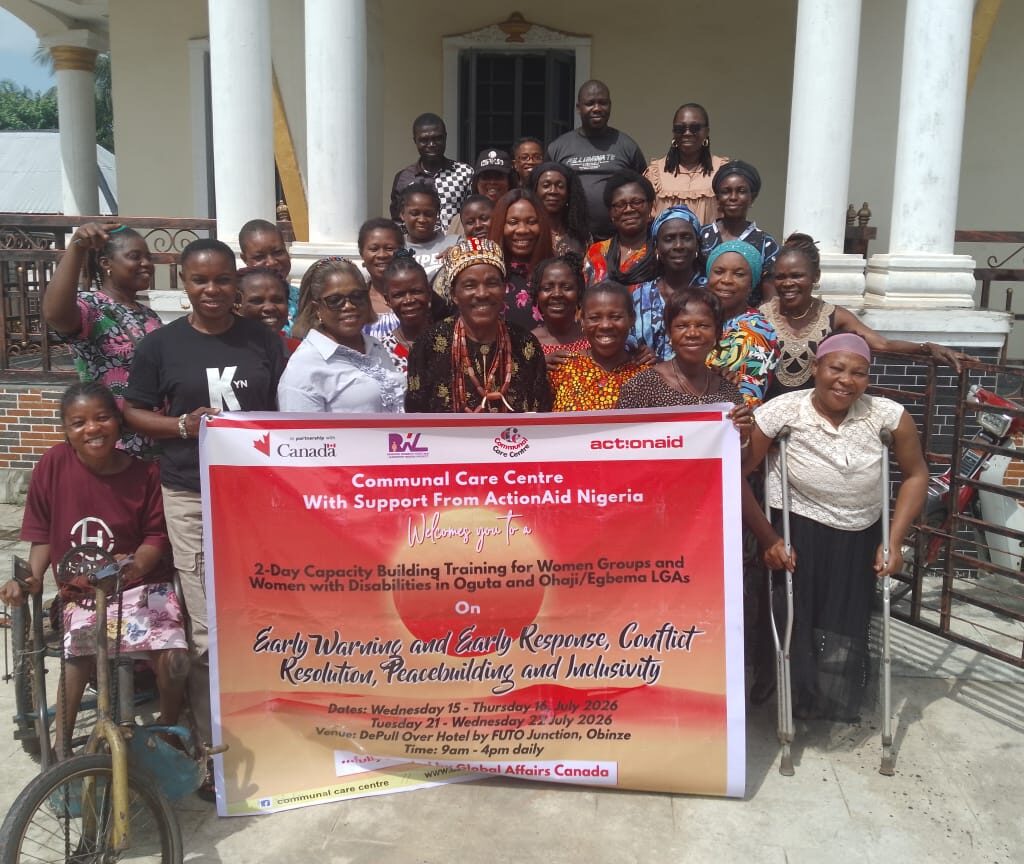
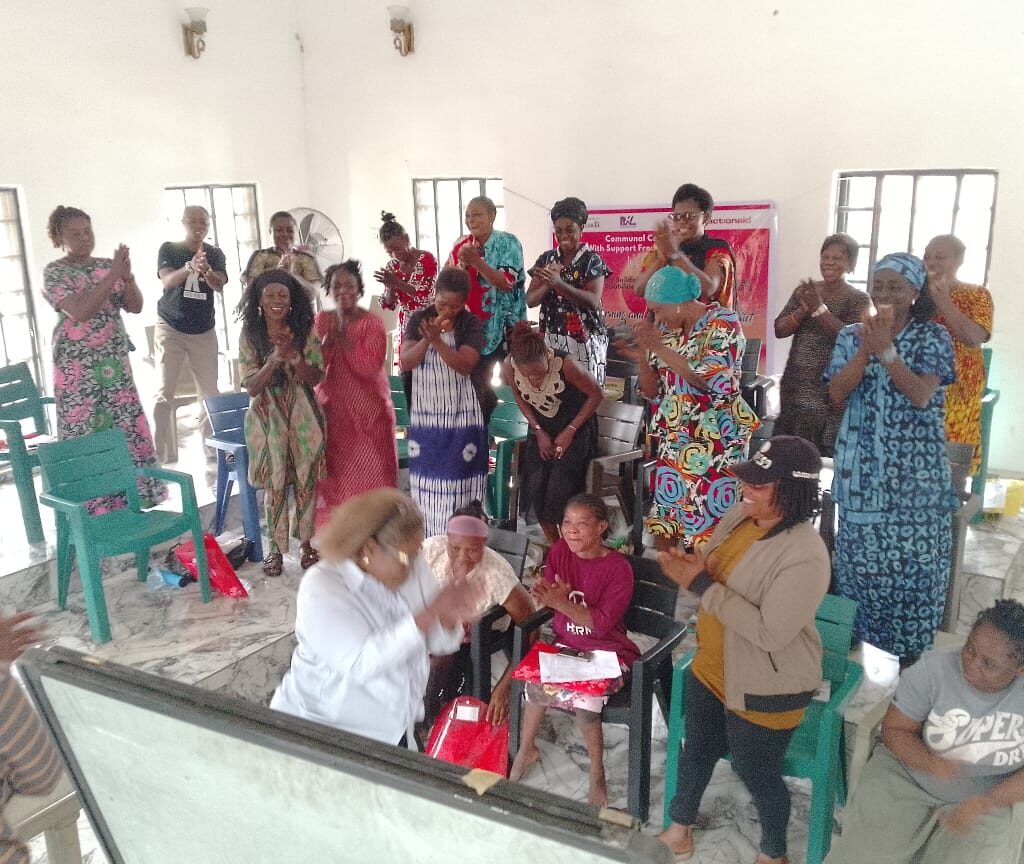
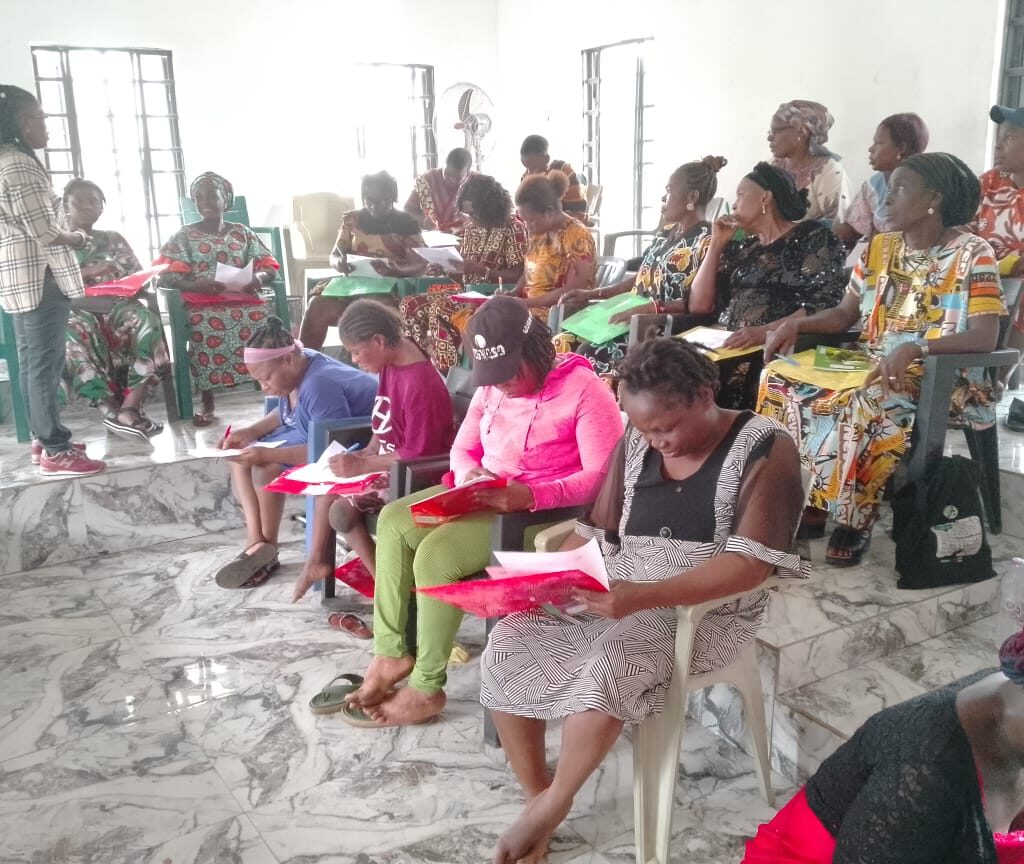
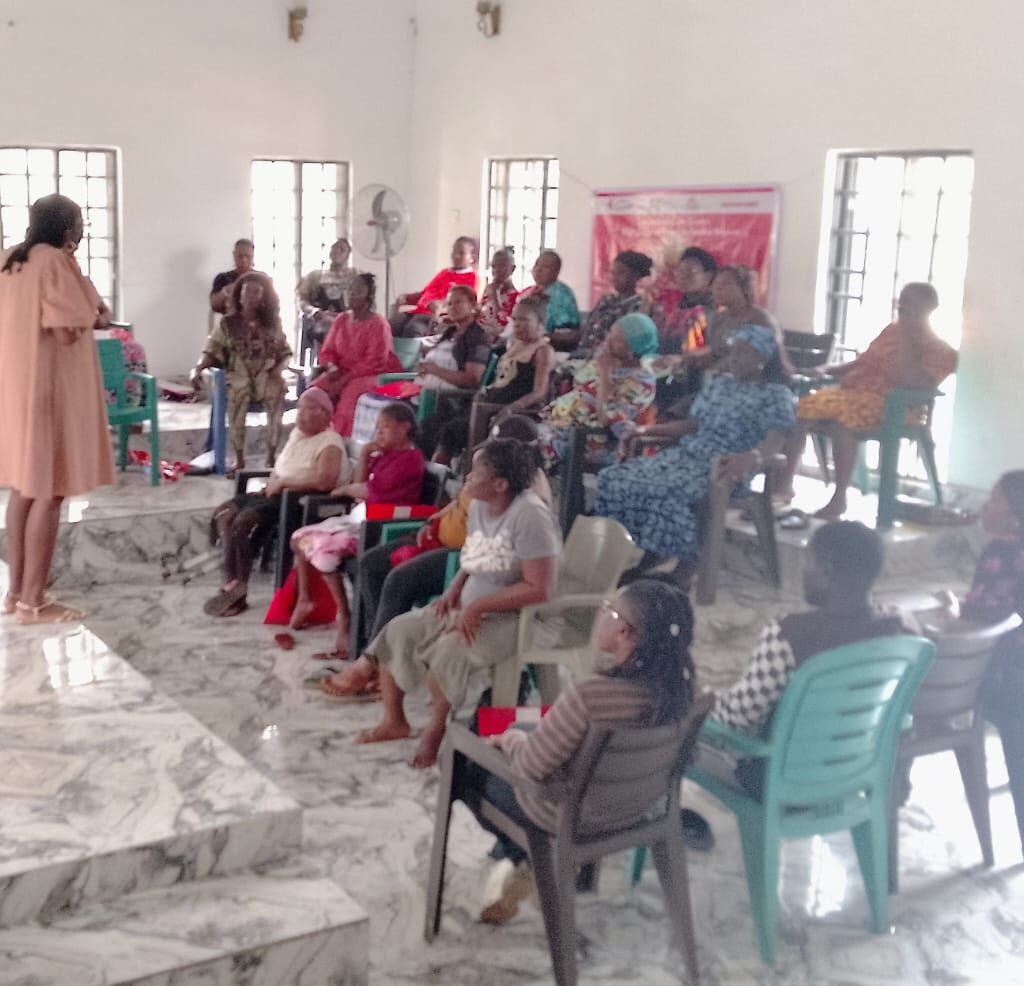
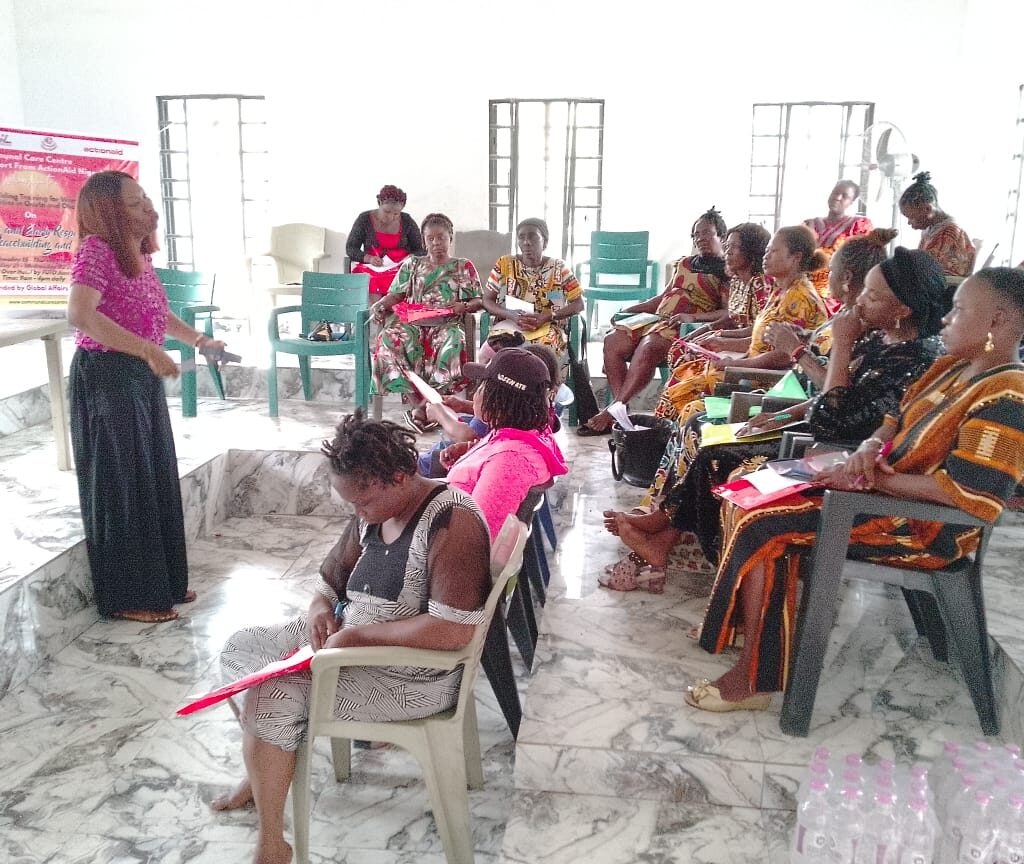
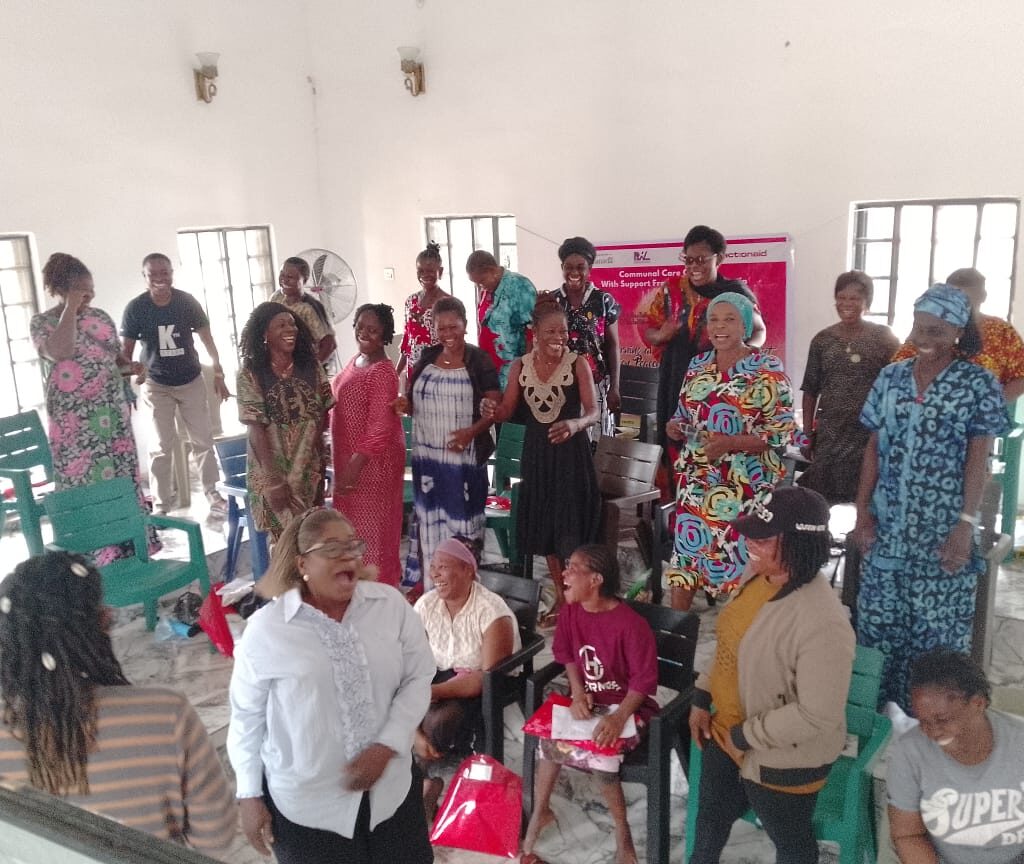
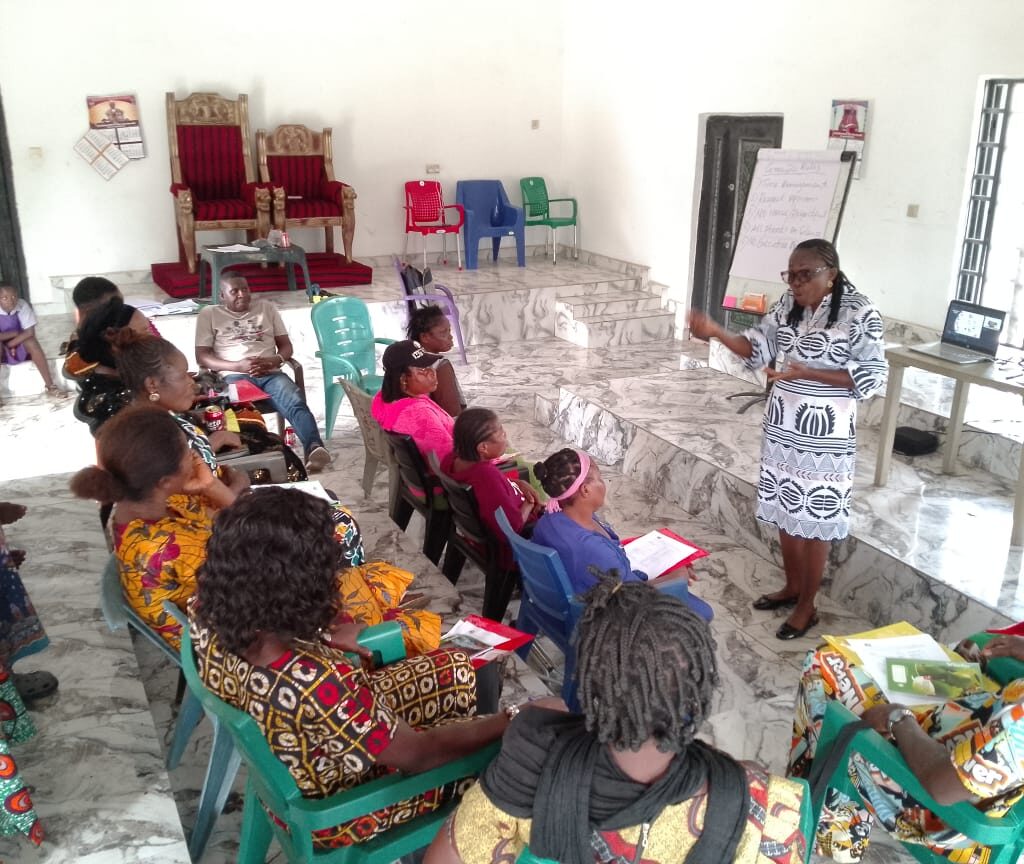
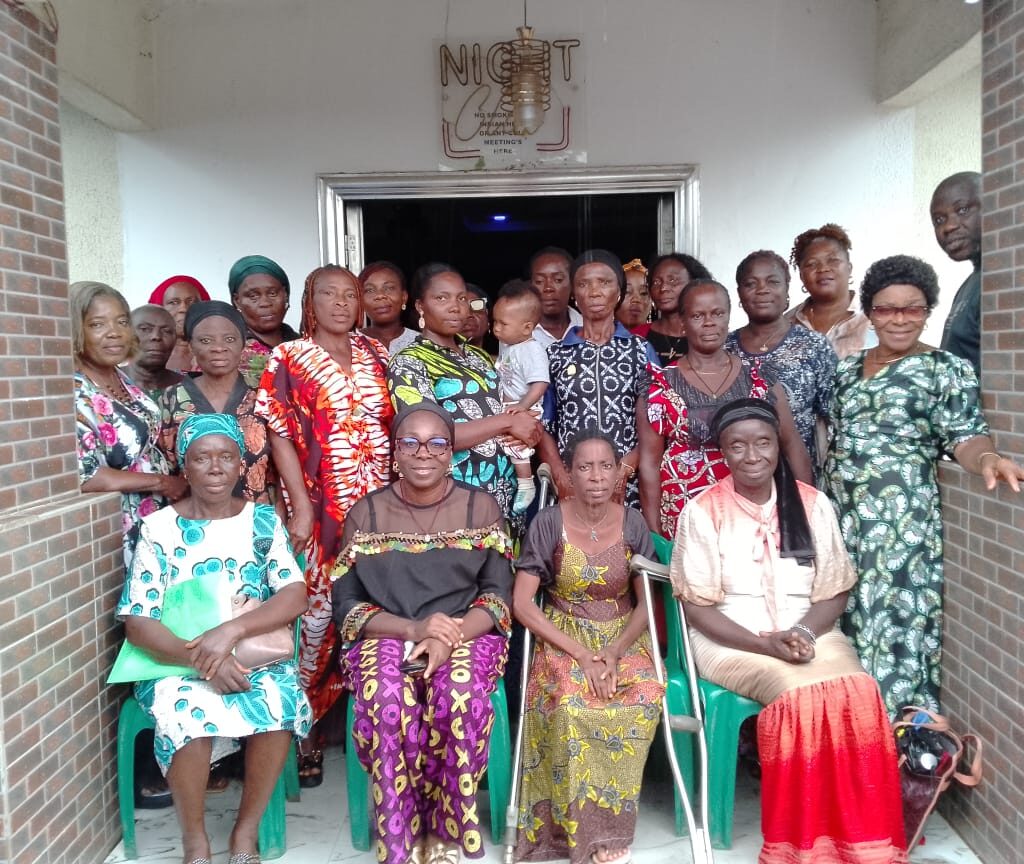
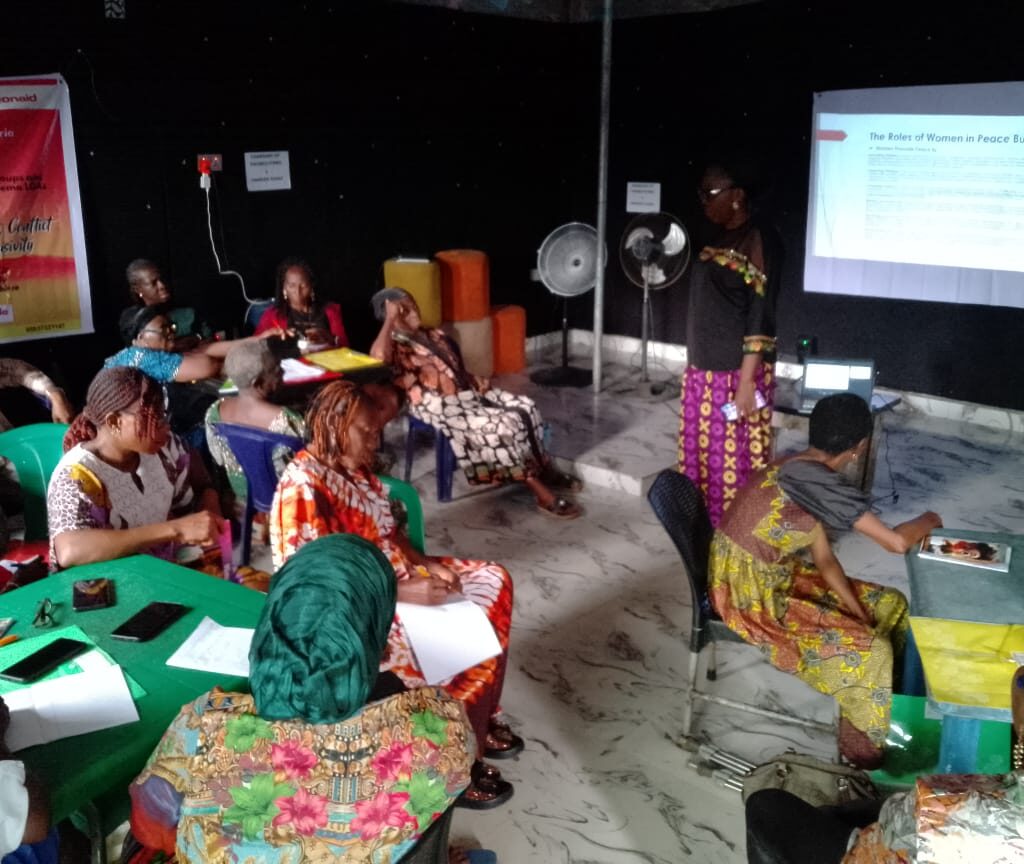
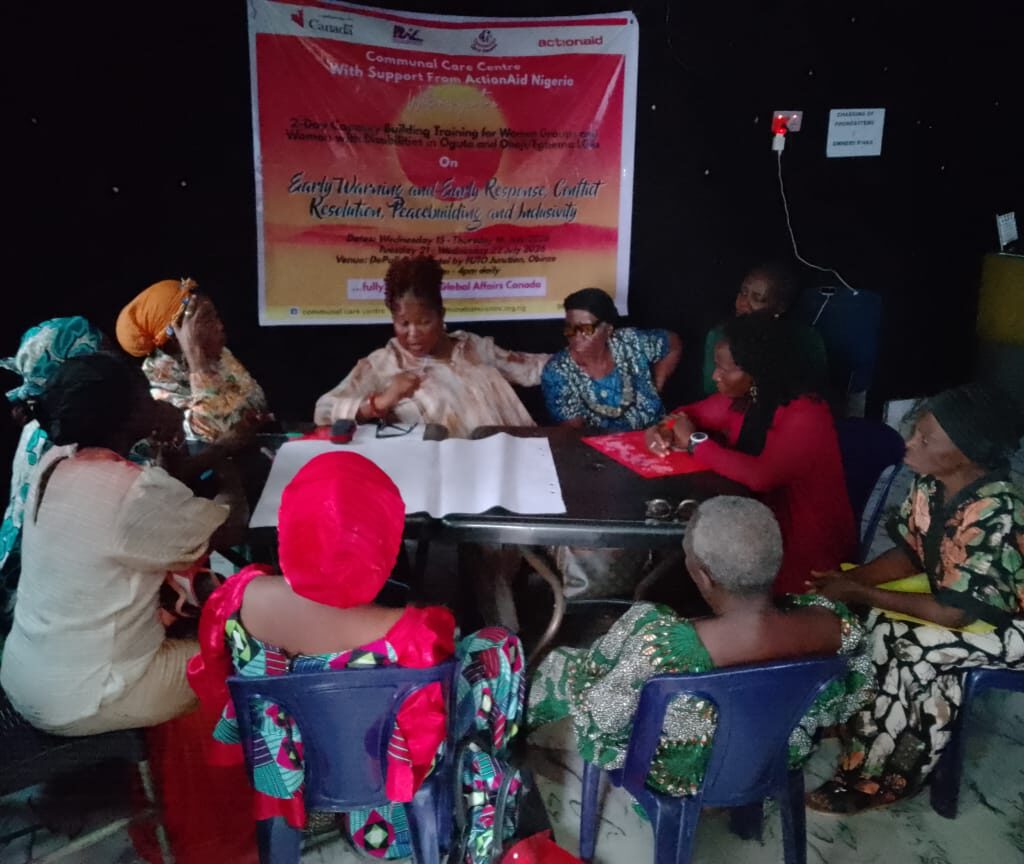
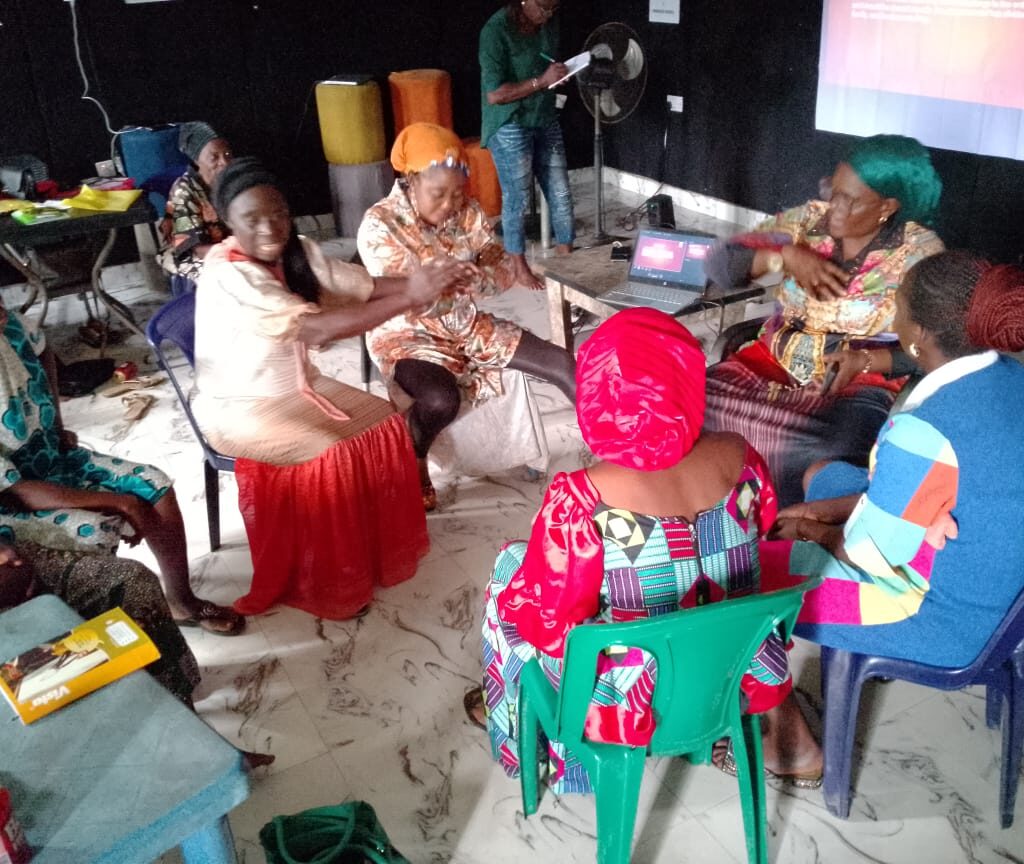
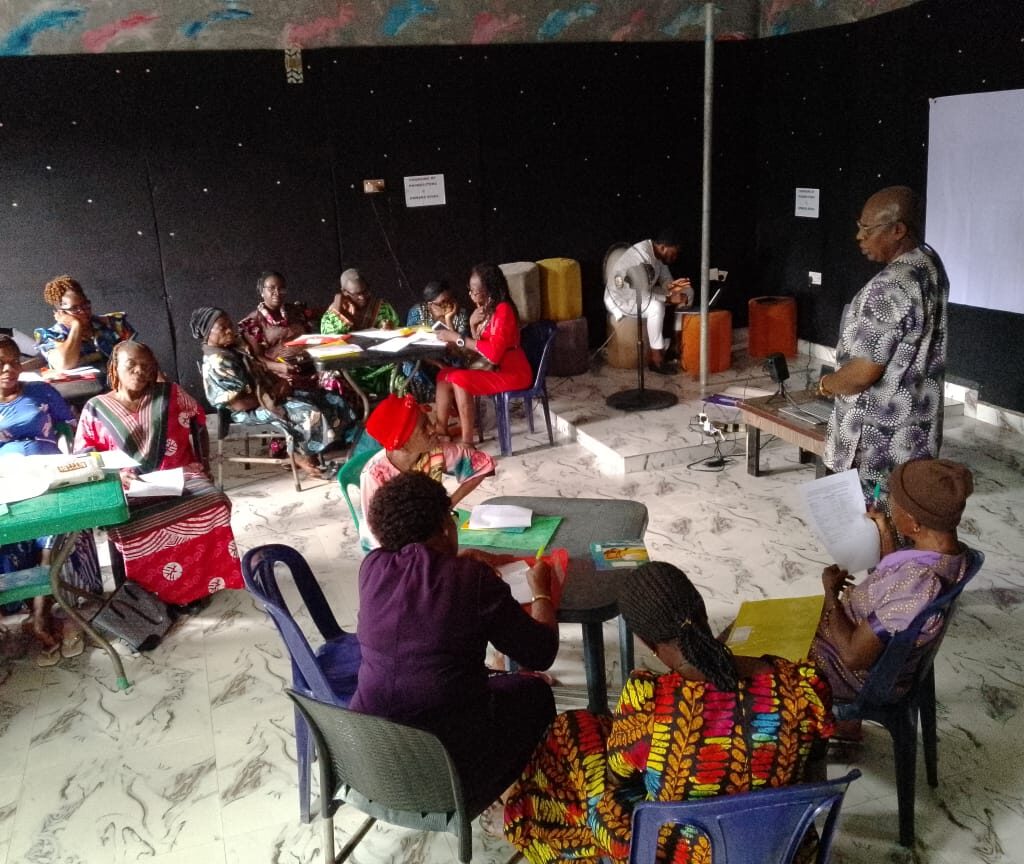
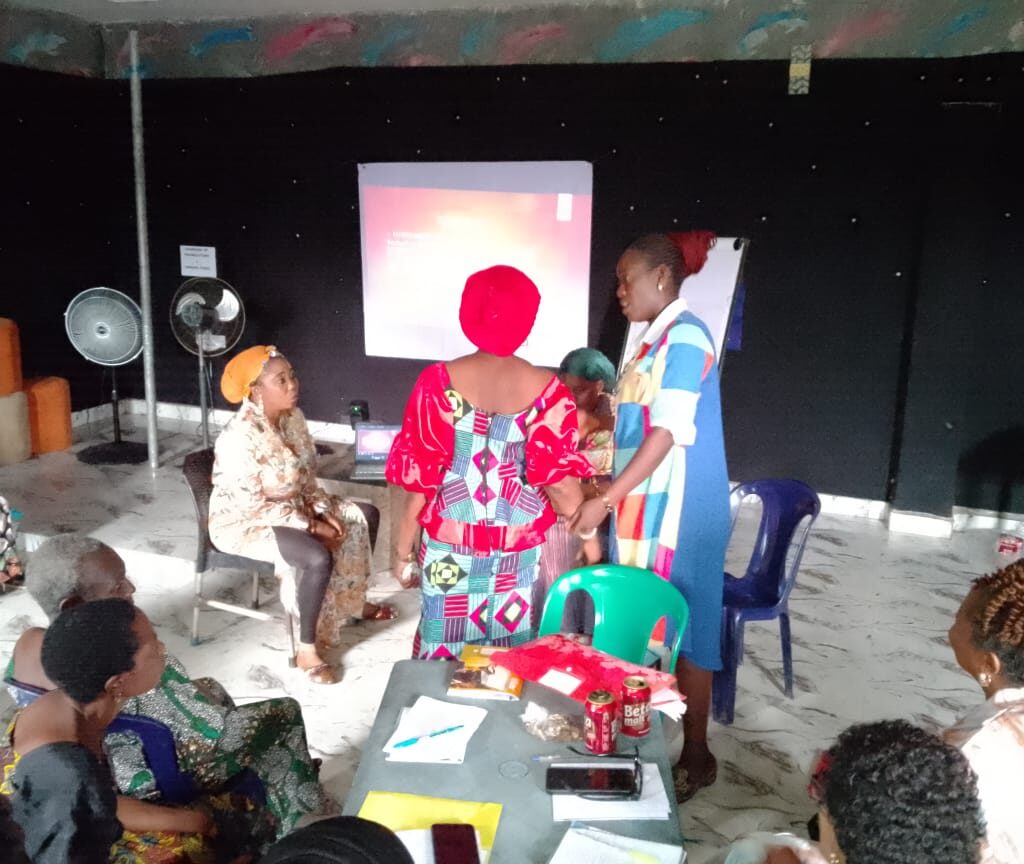
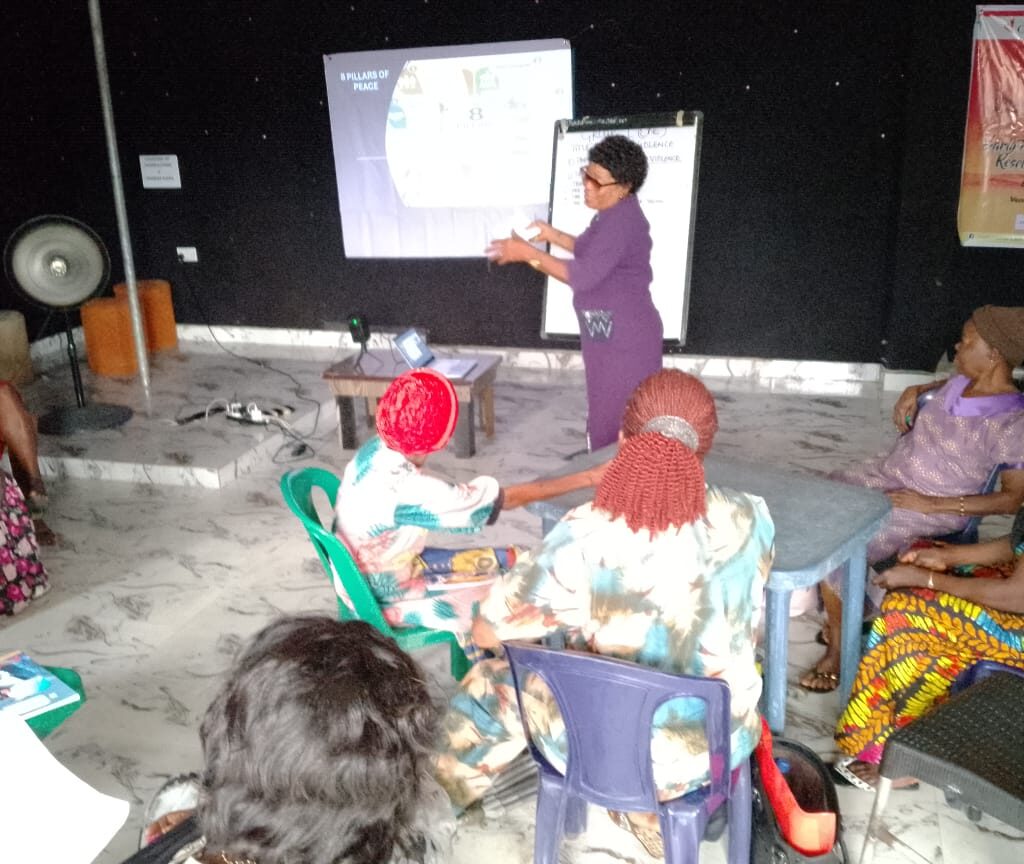
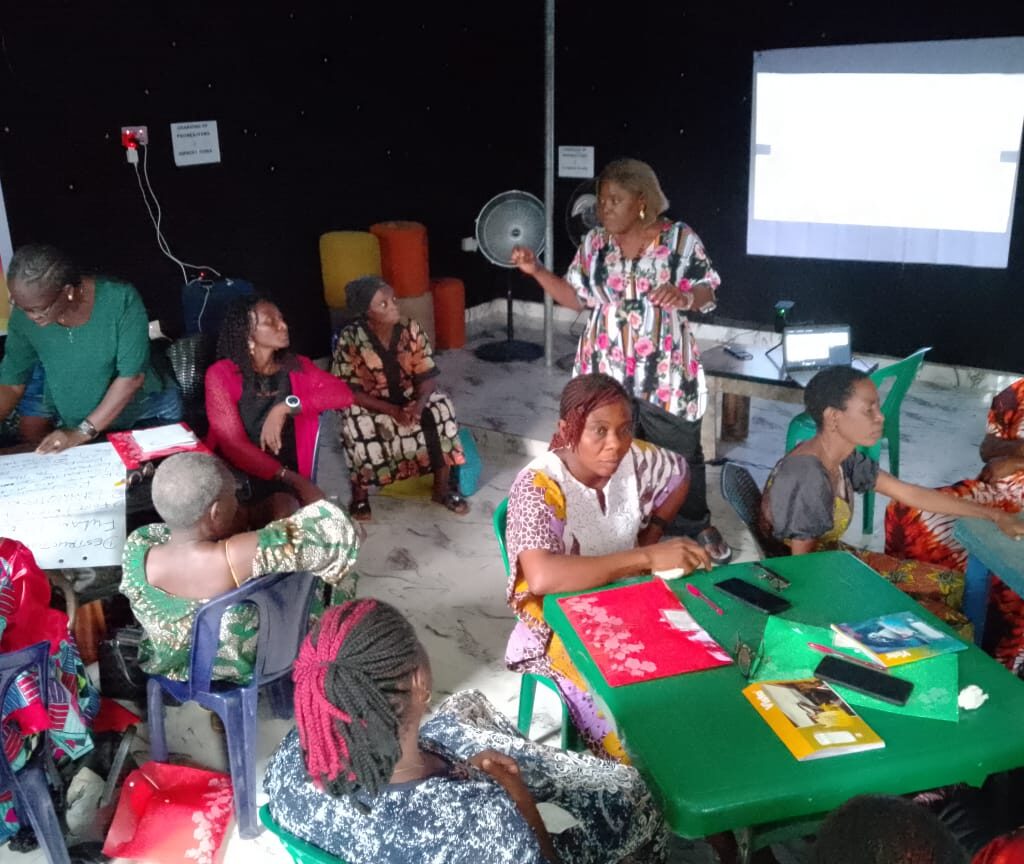
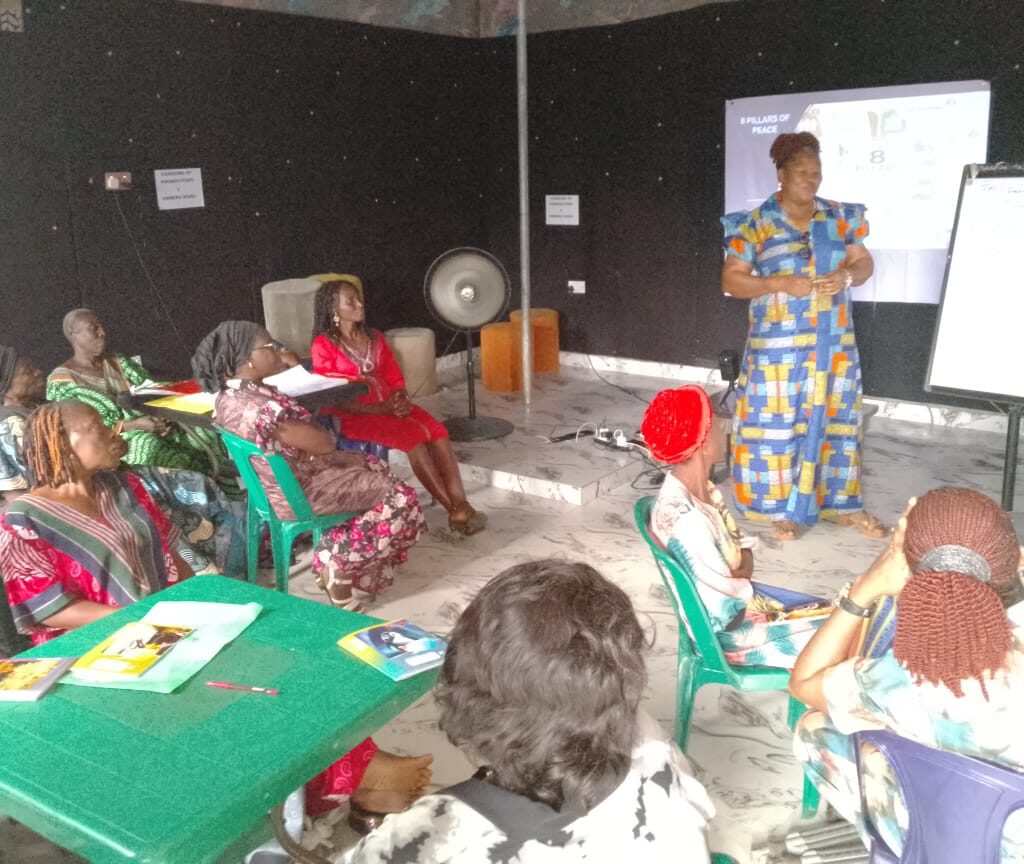
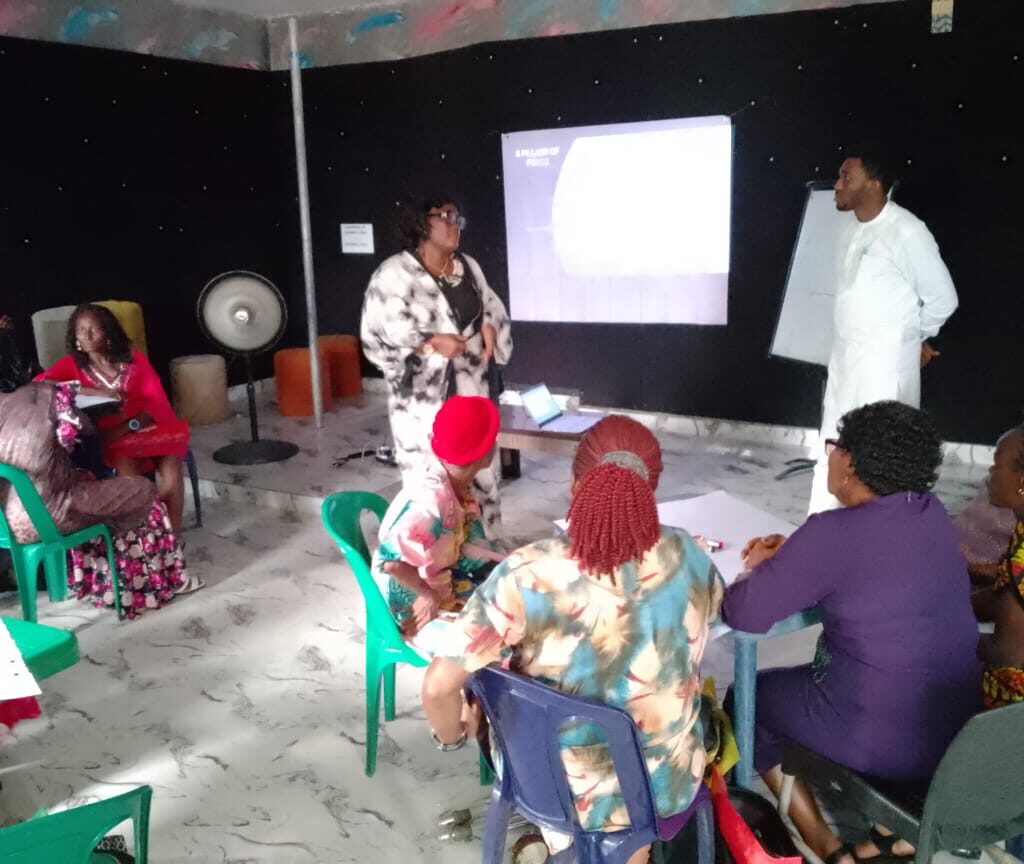
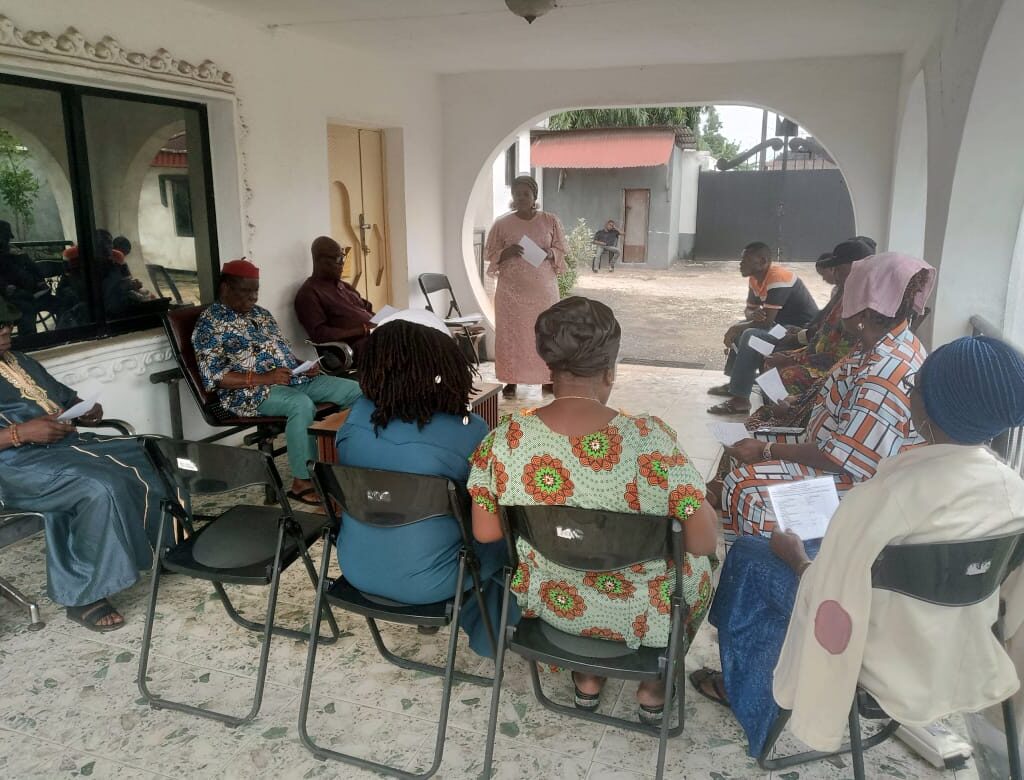
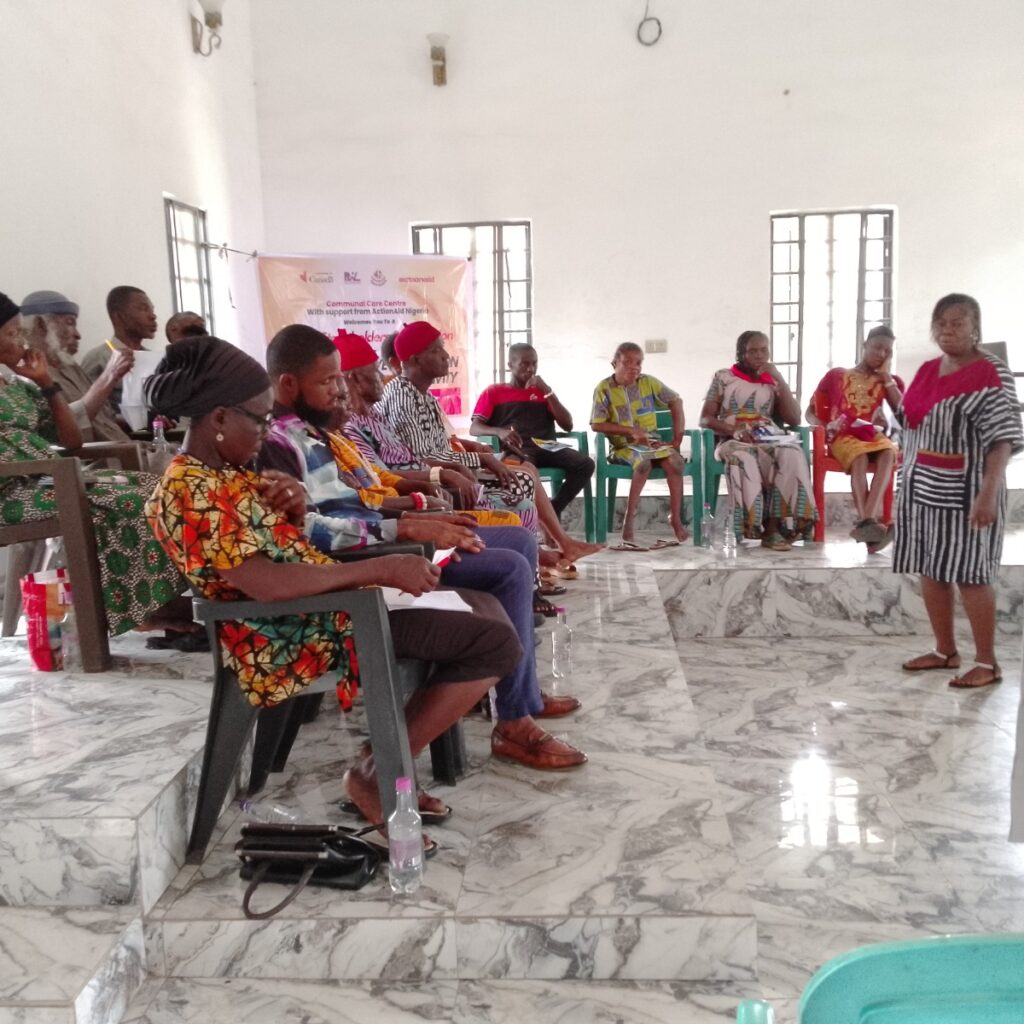
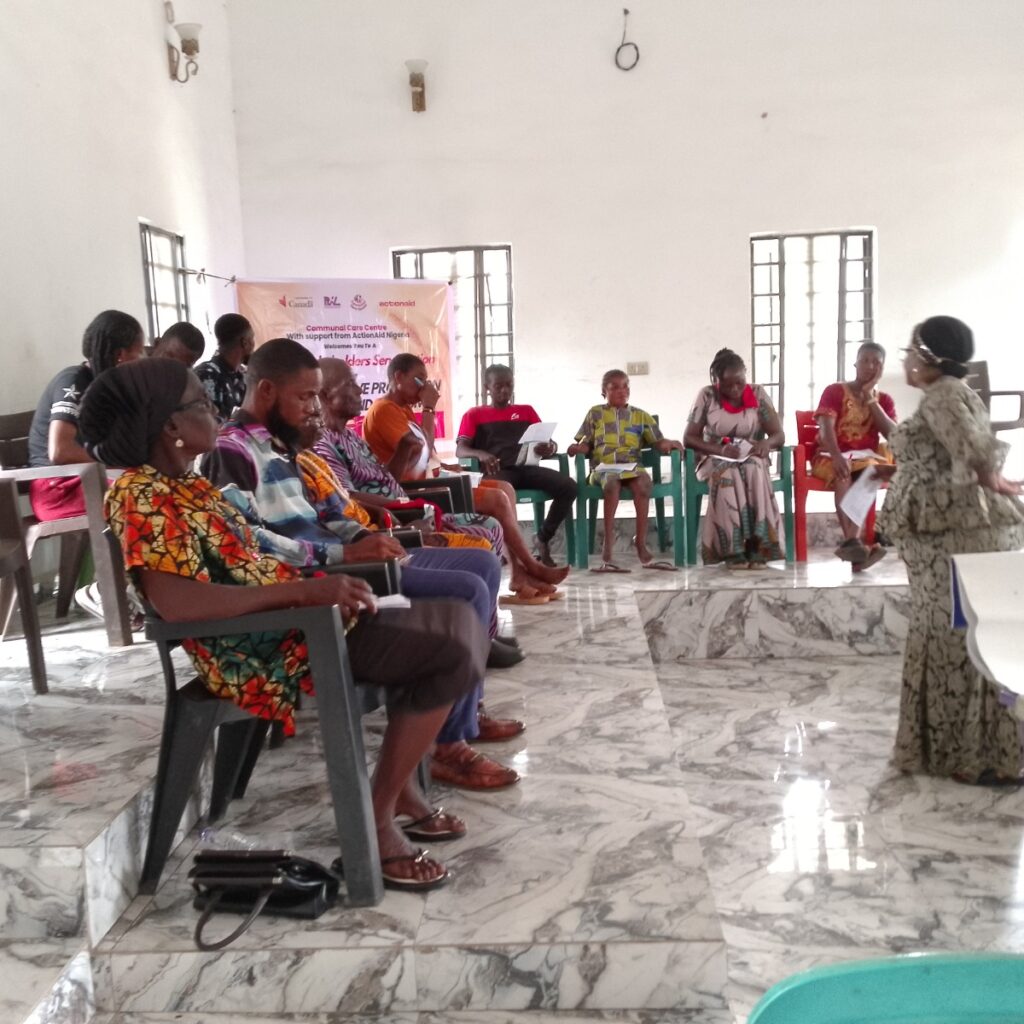
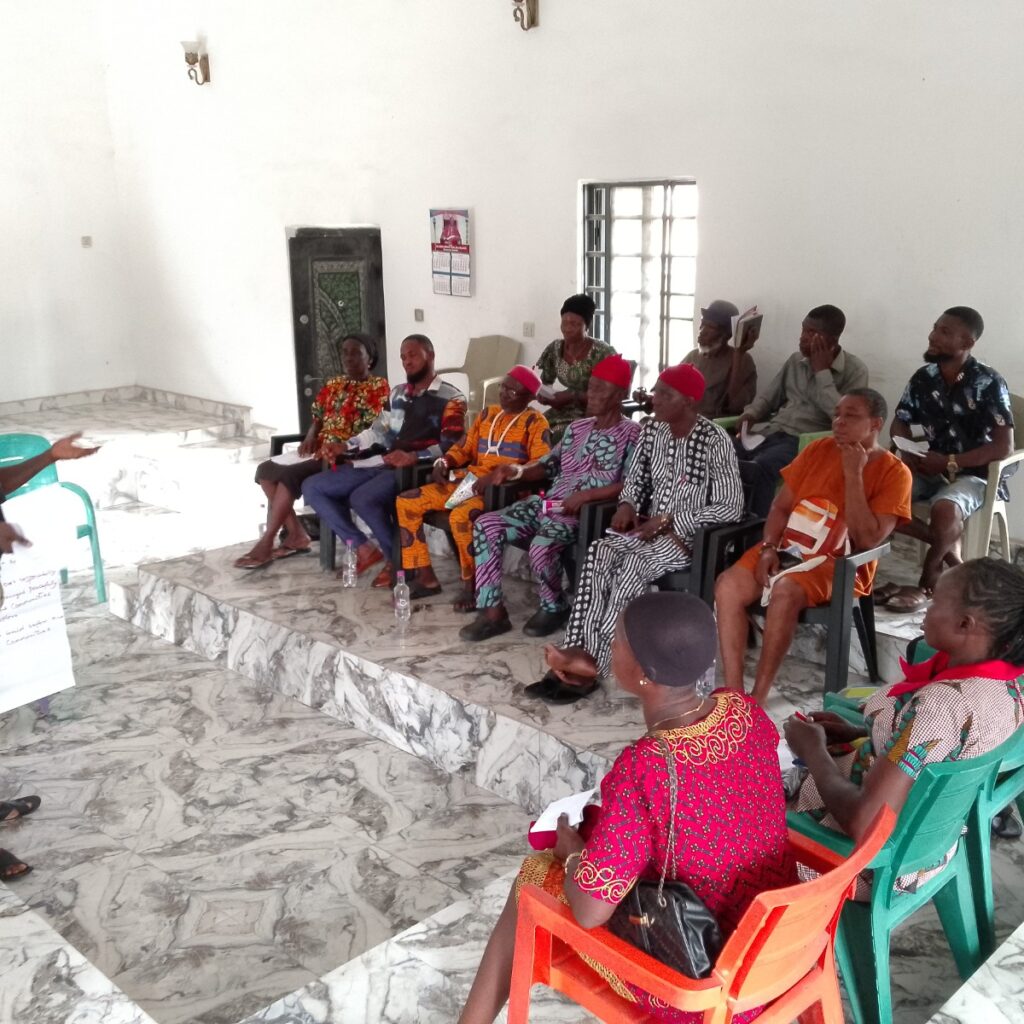
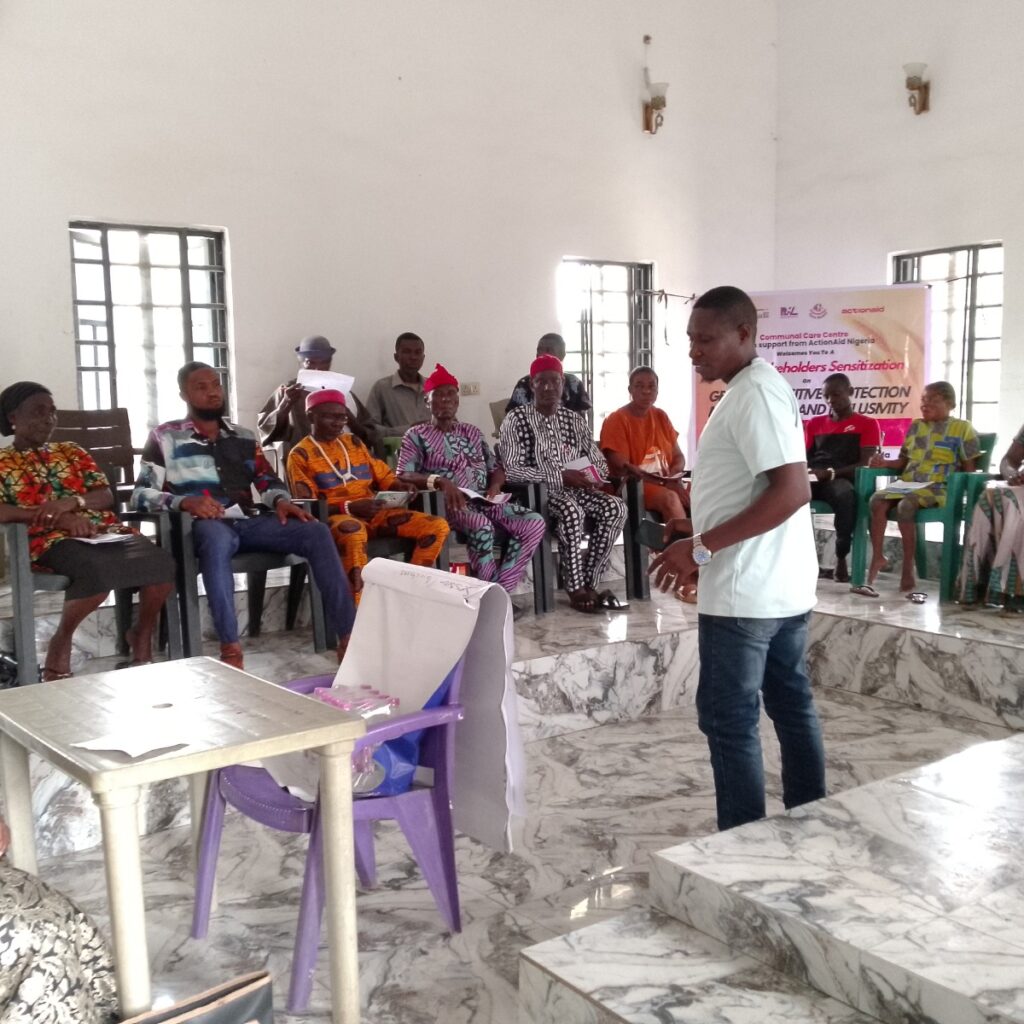
This formed part of the discussions at a two-day capacity building training for women groups and women with disabilities in Ejemekwuru and Akabor Autonomous Communities, Oguta Local Government Area, Imo State.
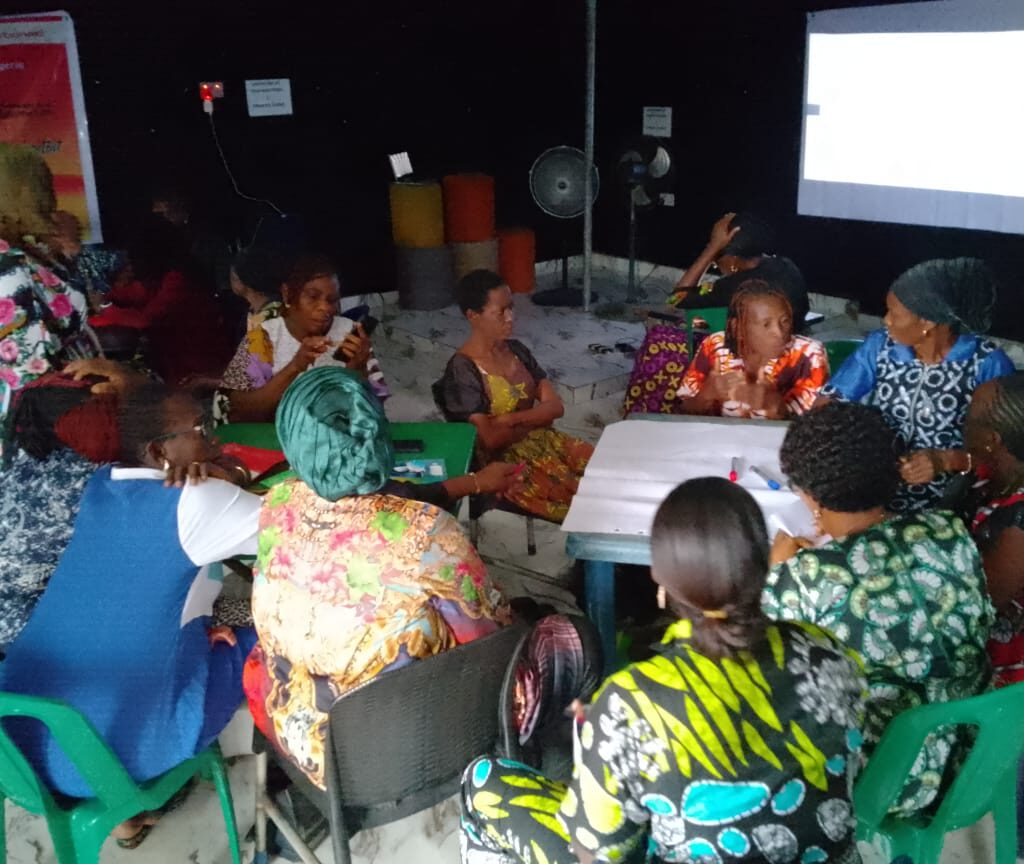
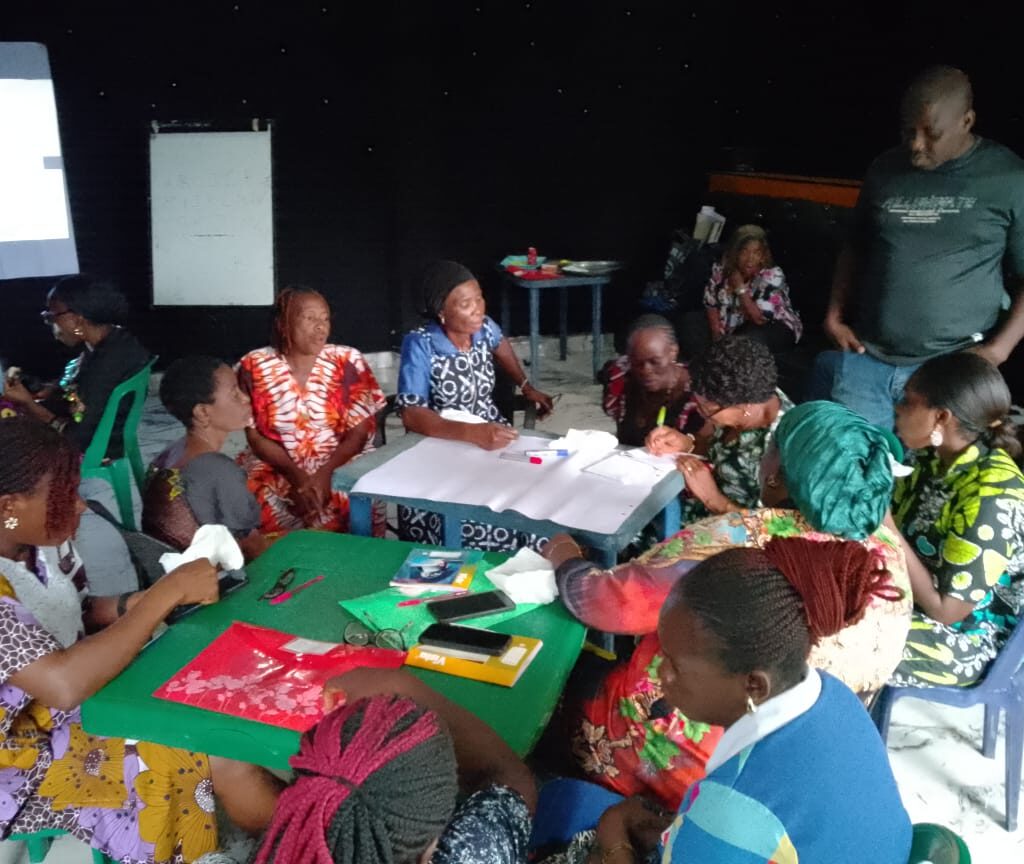
The training, themed “Early Warning and Early Response, Conflict Resolution, Peacebuilding and Inclusivity, was organized by Communal Care Centre, with support from ActionAid Nigeria. It took place at the palace of the traditional ruler of Ejemekwuru Autonomous Community, Eze Hypolite Duru.
The women identified weak justice and security systems, poverty, unemployment, drug abuse and youth restiveness as root causes of insecurity.
They also attributed gender-based violence, discrimination, political tensions and election violence as major causes of insecurity, calling for concerted efforts to end insecurity in communities.
“These make us feel unsafe and expose us to threats that endanger our lives, rights, livelihoods, and property,” they added.
They suggested an inclusive security outfit that involves women, appealing that women should also be considered for leadership positions in the community.
Mrs. Ogechi Karaibe and Mrs. Olumma Achunine both from Ejemekwuru lamented that rising cases of kidnapping and herdsmen activities in the area have caused persistent fear among the people, particularly women.
Mrs. Chiamaka Ubah who represented the Woman Leader of Akabor Autonomous Community said the two-day training has empowered her to become a better mediator, giving her greater knowledge of early warning signs of conflict and mitigation procedures to avoid escalation.
Mrs. Leticia Ogbonna, who coordinates women for a particular political group, said the training has enlightened her on issues concerning conflict and peacebuilding, expressing confidence that the programme would achieve positive outcomes before the end of the two-year project.
Earlier, the representative of the Director, Ministry of Women Affairs and Social Welfare, Mrs. Chetachi Ogburie urged the participants to commit both time and energy to the training and become empowered to lead their homes and communities.
She highlighted the role of women in peacebuilding and conflict resolution, noting their uncommon ability to detect early warning signs of conflict. She enjoined them to apply all they had learnt and always contribute meaningfully to the development of their communities.
The Executive Director of Communal Care Centre, Mrs. Colette Bennett said the expected outcome of the project is to ensure that women are part of the security architecture of their communities. She urged participants to embark on advocacy to make it a reality.
She informed them that a Village Savings and Loans Association (VSLA) would be established to strengthen their savings culture, improve their financial skills and accountability in business while cooperatives would be formed to help them access loans.
She highlighted the importance of the value chain, encouraging them to always add value to their businesses or skills.
She explained that the project targets strengthening their capacities to amplify their voices in their communities and raise powerful mediators with the potential to resolve issues within their communities.
In her presentation, a resource person, Mrs. Juliet Okeiyi explained that women should participate in community security architecture to ensure that their concerns and those of their children are adequately represented.
The two-day capacity building training featured role play, group work and other side attractions.
Hate speech, the rising cost of living, threats, and the unusual movement of suspicious persons have been identified as early warning signs of conflict.
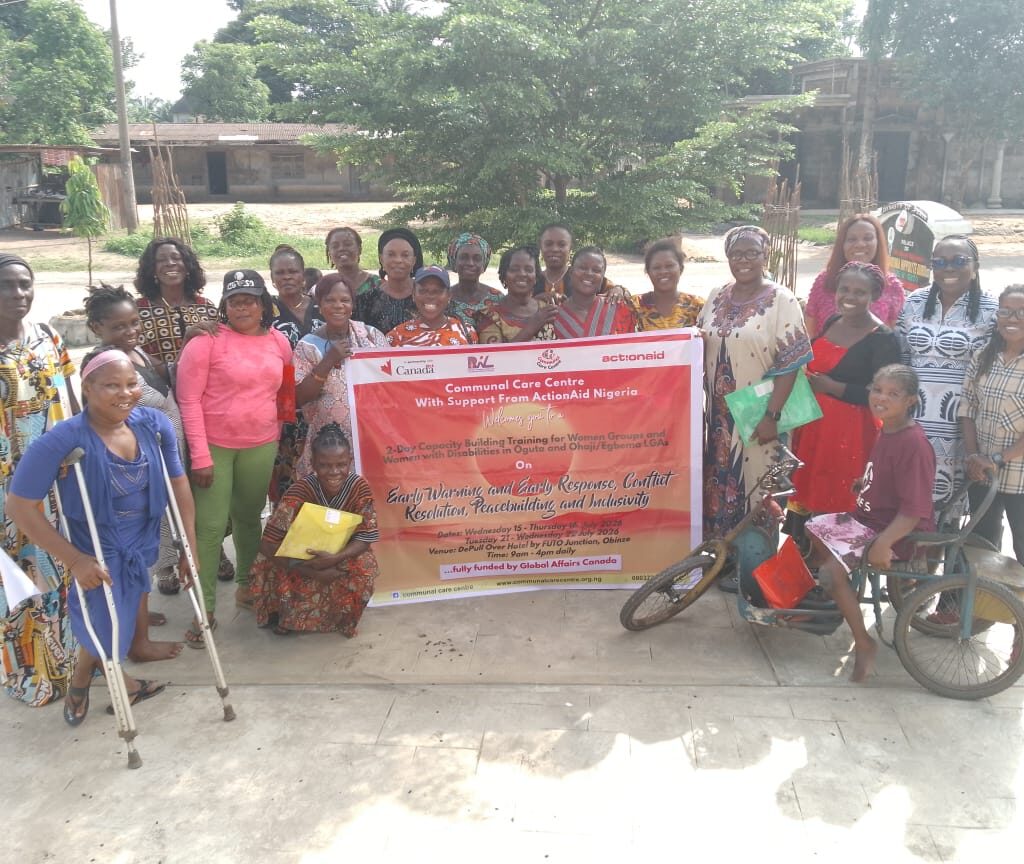
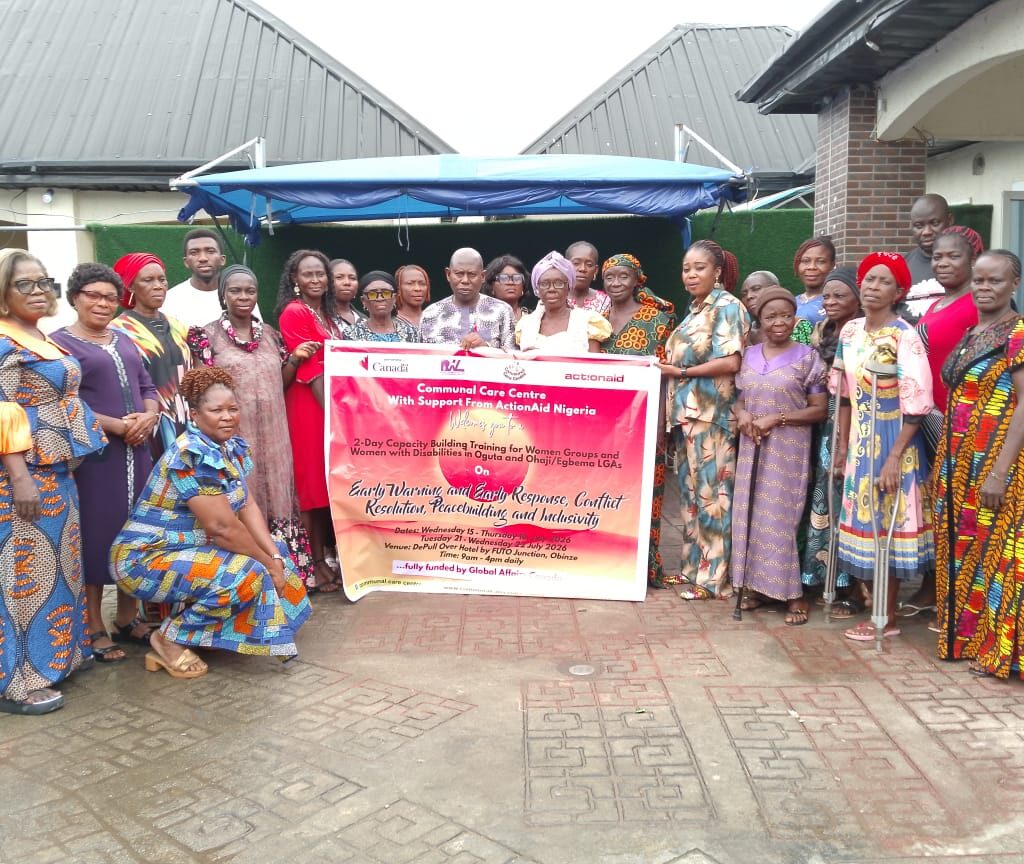
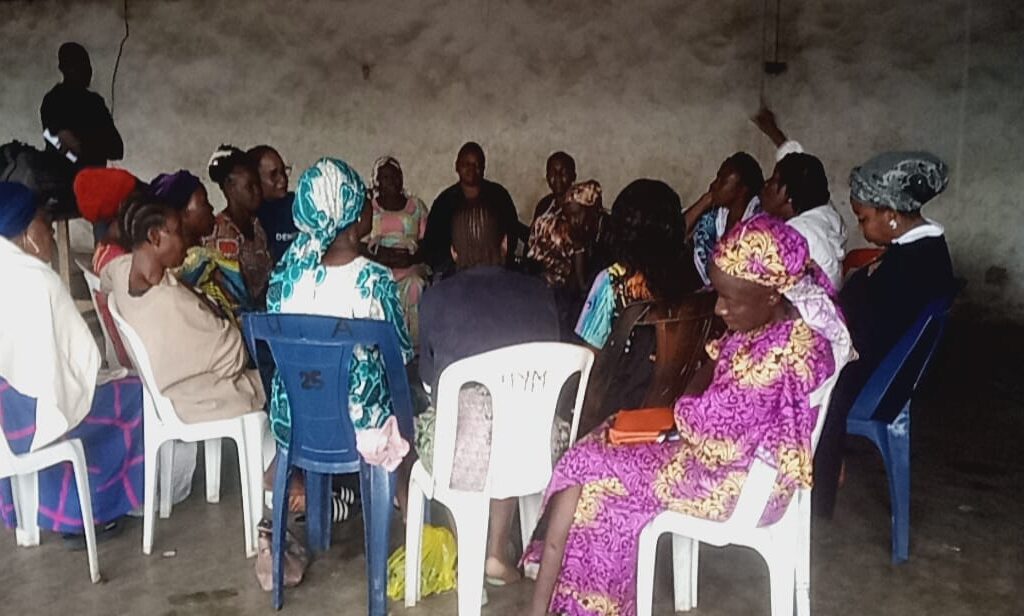
A cross-section of women from Mgbirichi Autonomous Community and Umuokanne Autonomous Community in Ohaji/Egbema Local Government Area made this known during a two-day capacity-building training for women groups and women with disabilities in Ohaji/Egbema Local Government Area. The training was organized by the Communal Care Centre and held at DePull Over Hotel, Obinze in Owerri West Local Government Area.
Communal Care Centre is implementing the Renewed Women Voice and Leadership (RWVL) Project in Imo State, a two-year project funded by Global Affairs Canada with support from ActionAid Nigeria.
The women also identified increased domestic and gender-based violence, as well as the high unemployment rate as factors contributing to conflict in society.
They noted that the knowledge gained from the training would enable them to act before violence escalates, adding that the programme had empowered them to take coordinated action before violent incidents occur.
In an interview, the Woman Leader of Mgbirichi Autonomous Community Lolo Anthonia Ekenta alongside Mrs. Ucheoma Ikegwuruka advocated the inclusion of women including women with disabilities in community affairs and called for sustained economic empowerment for them.
They promised to embrace genuine peace-building efforts, describing them as key to achieving peaceful homes and communities.
The Woman Leader of Umuokanne Autonomous Community Mrs. Nwosu Dominica and the Secretary of Umuokanne Women Association Mrs. Blessing Enyinna said the training had taught them that dialogue remains a veritable platform for managing conflict. They promised to step down the training to their families and during their August meetings.
Earlier in his address, the Director of the Women Affairs Department, Ministry of Women Affairs and Social Welfare Mr. Austin Okoro expressed gratitude that women with disabilities were included in the programme.
Stressing the need for knowledge of the early warning signs of conflict, Mr. Okoro maintained that if families live in peace, communities and society at large would also be peaceful.
He appealed to the organizers of the programme to extend the intervention to other communities to promote a safer and more peaceful Imo State.
The Executive Director of Communal Care Centre Mrs. Collette Bennett urged the women to put into practice all they had learnt and to speak out against harmful cultural norms, including widowhood practices in their communities.
She encouraged the women to always stand up for their rights and intensify efforts to ensure women’s inclusion in all community activities.
Mrs. Bennett also urged them to remain committed so as to achieve tangible outcomes before the programme ends in two years.
A resource person, Mr. Udochukwu Chukwu while delivering a lecture on the theme, “Early Warning and Early Response, Conflict Resolution, Peacebuilding and Inclusivity,” explained that while conflict is inevitable, violence is preventable. He urged the participants to apply the knowledge and skills gained from the training to transform conflicts into opportunities for dialogue.
Another resource person, Juliet Okeiyi highlighted the role of women in peacebuilding, urging participants to educate their children, support dialogue, prevent violence, build community trust, encourage inclusion and promote tolerance.
…Seek Release of Farmlands and Better Livelihood Support
An appeal has gone to the male folk to jettison patriarchal entitlement and embrace the inclusion of women in all their activities, including leadership positions.
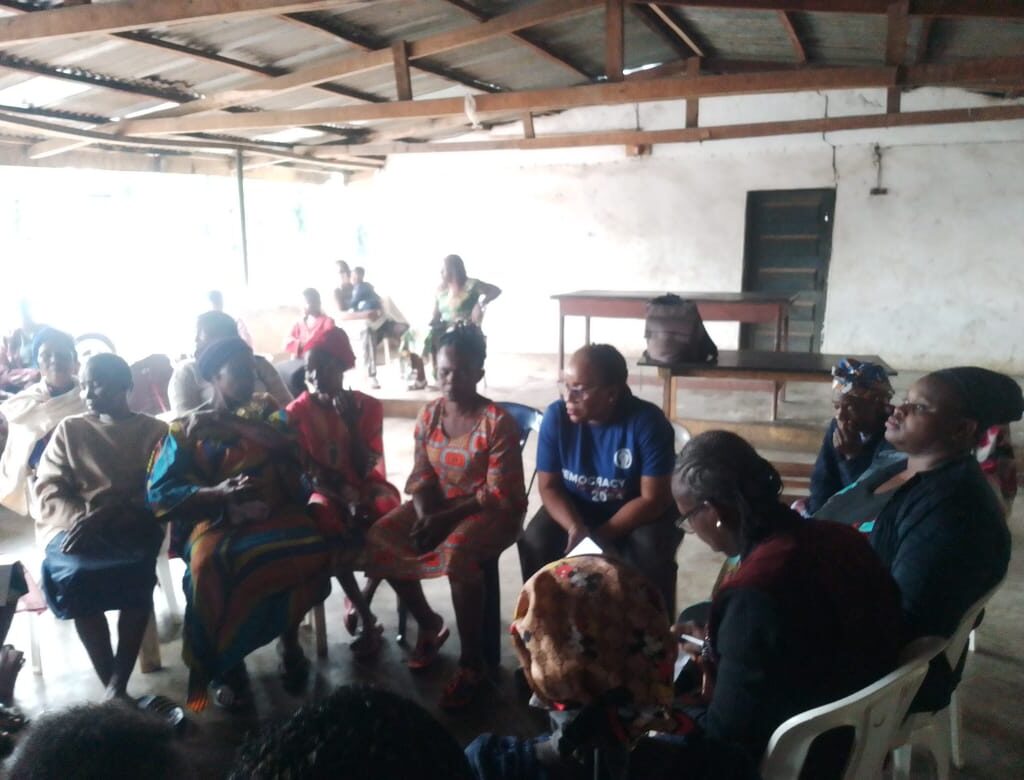
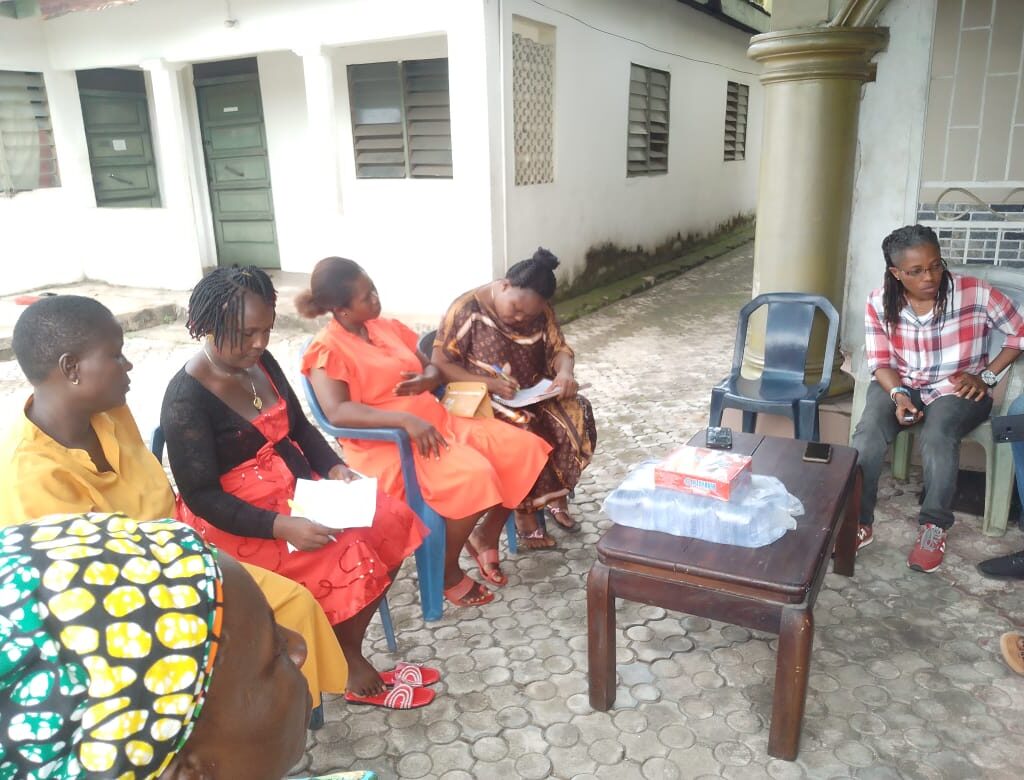
The women of Mgbirichi Autonomous Community in Ohaji/Egbema Local Government Area made the appeal during an interactive session with a team from ActionAid Nigeria and Communal Care Centre at Obi Eze, Mgbirichi.
ActionAid Nigeria was in Imo State to carry out a baseline survey as part of activities towards the effective implementation of the Renewed Women Voice and Leadership (RWVL) Project in the state.
The women, under the aegis of the Mgbirichi Women Organization, highlighted some of the challenges they face at the hands of their male counterparts and called for gender-friendly initiatives geared towards improving their livelihoods.
They suggested that farmers among them should be supported with fertilizers, while traders should receive funds to boost their businesses.
The women also appealed for employment opportunities for their young graduates and improved access to healthcare, lamenting the exorbitant bills they are usually made to pay at the community primary healthcare centre.
Mrs. Osuji Patricia, Adanma Ndukwe and Ngozi Obinna called on the state government to address their most pressing need, which is the release of their farmlands by the military at Obinze Barracks.
They lamented that vast portions of their land, forcefully taken by soldiers five years ago, had been marked for sale, while crops planted on the few remaining farmlands are being destroyed daily by cows.
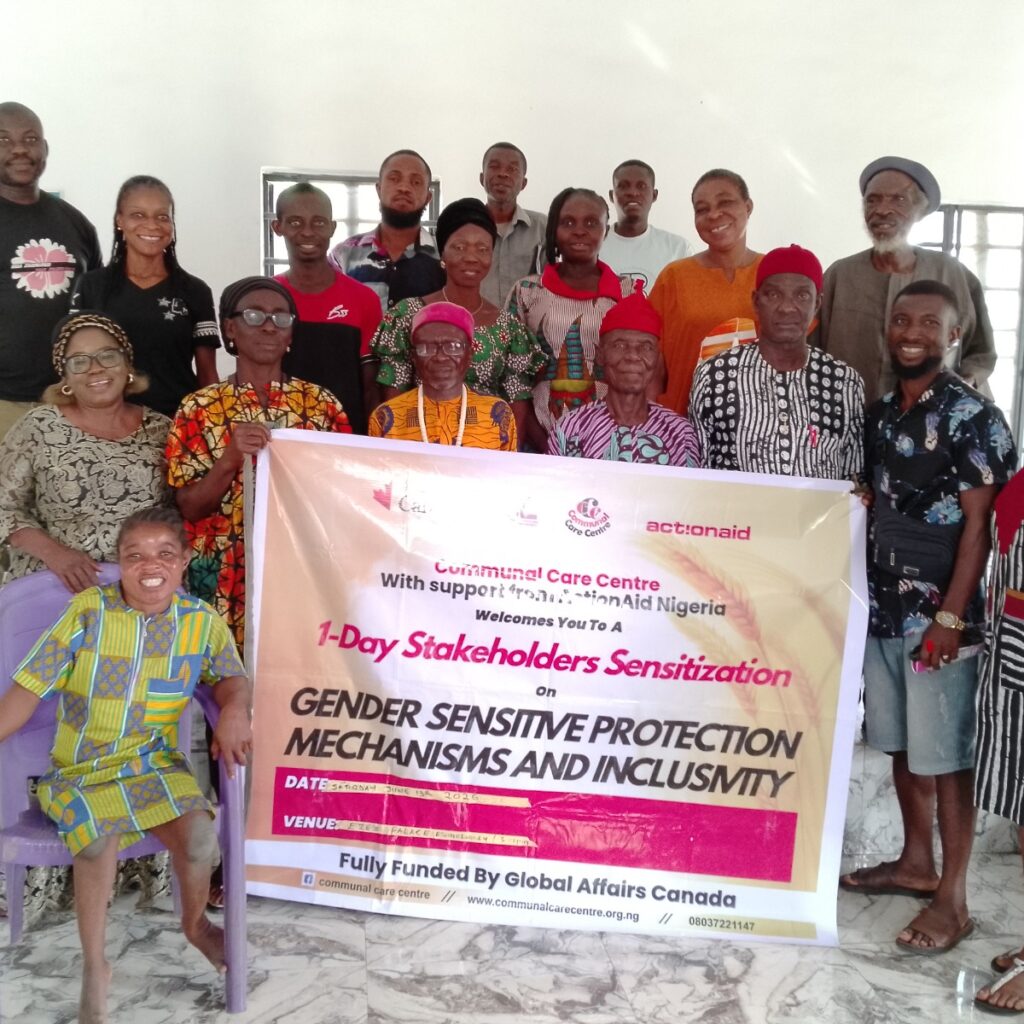
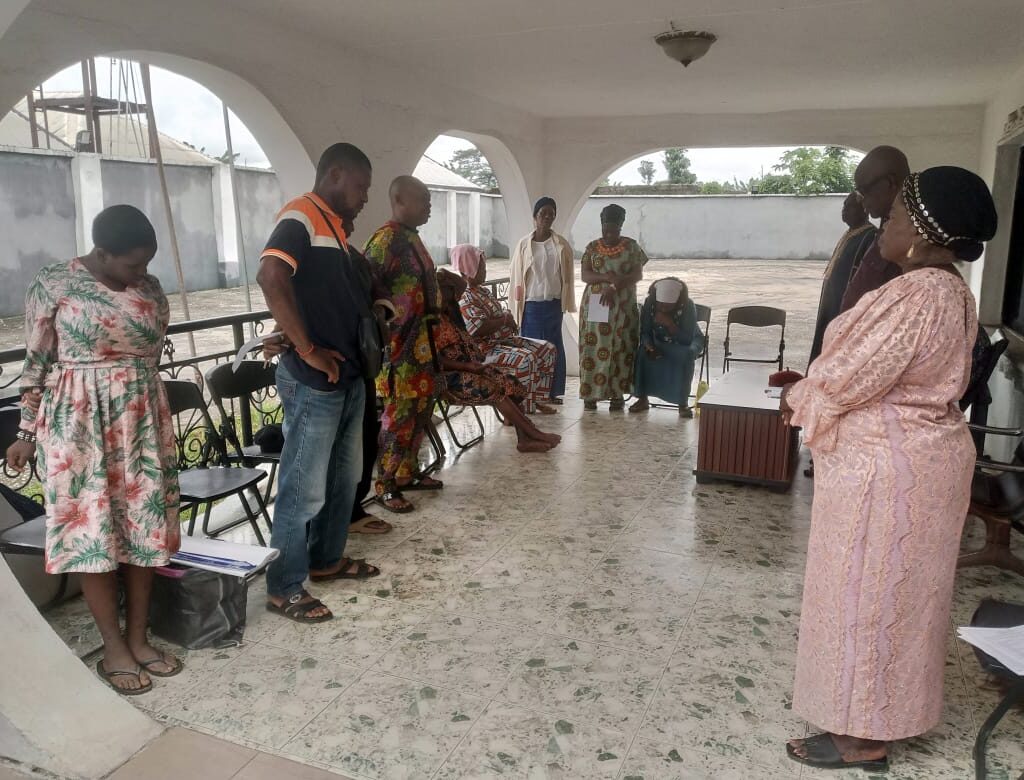
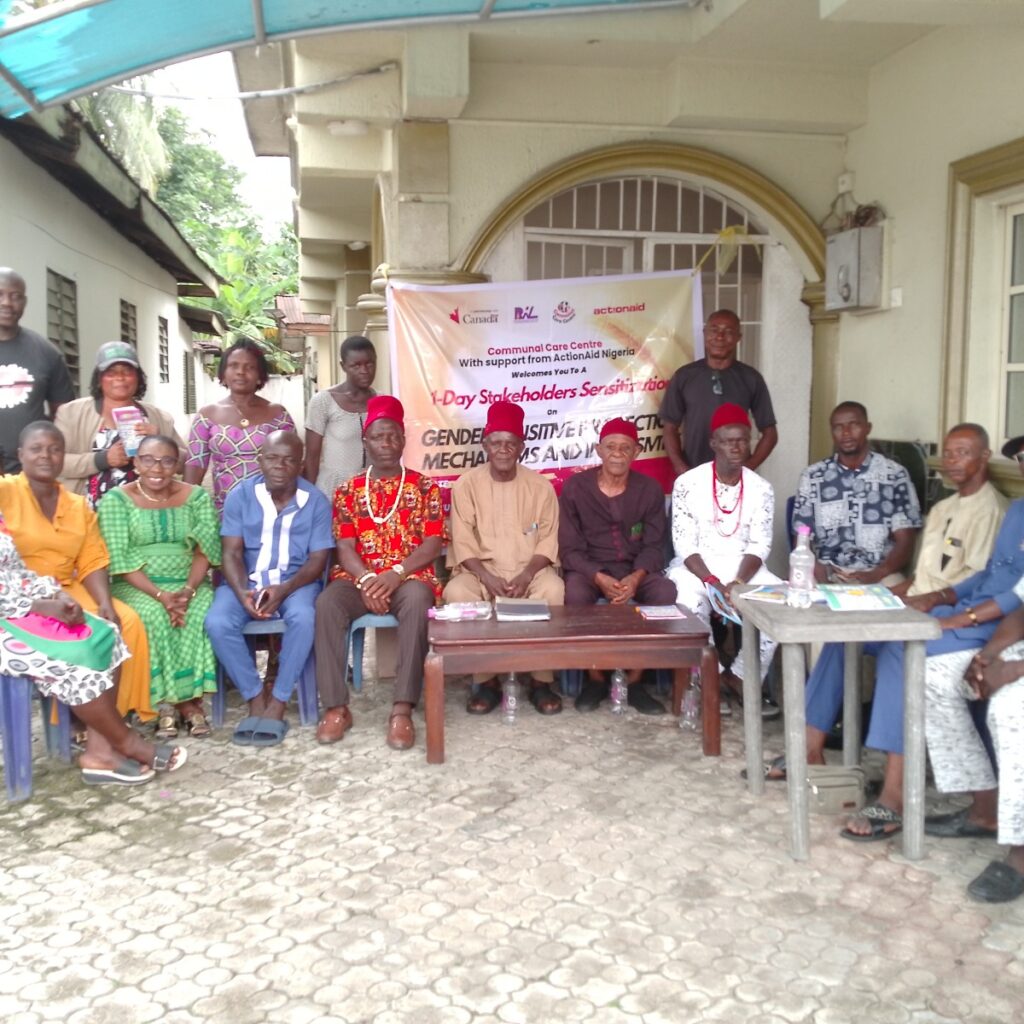
Communal Care Centre (CCC), a Non-Governmental Organization in Imo State with its Head Office in Oguta, Imo State has held a three-day Stakeholders engagement on Gender-Sensitive Protection Mechanisms and Inclusivity. The program which was conducted in Akabor, Ejemekwuru, Mgbirichi and Umuokanne in Oguta and Ohaji/Egbema Local Government Areas, had in attendance participants drawn from members of the traditional council, town union, religious leaders, persons with disabilities, women and youth leaders.
The activity is part of the two years project being implemented by Communal Care Centre under the Renewed Women’s Voice and Leadership Nigeria (RWVL-N) Project, supported by ActionAid Nigeria and funded by Global Affairs Canada. It is aimed at supporting women in conflict situations by amplifying their voices and strengthening their capacity for sustainable livelihoods.
Addressing participants during the programme, the Executive Director of Communal Care Centre, Mrs. Colette Bennett, said the project seeks to strengthen the capacities of community leaders, women groups, and women with disabilities on Gender-Based Violence (GBV) prevention, conflict resolution, peace building and inclusivity. She noted that without targeted interventions, many women would remain marginalized in leadership and decision making, thereby limiting their ability to contribute meaningfully to community growth and development.
The facilitator, Mrs. Joy Daberechi Onuoha elaborated on Gender-Based Violence, explaining the causes, consequences, prevention strategies and mitigation mechanisms. She further highlighted the need for communities to embrace gender sensitive protection and inclusivity to give women a sense of belonging.
Prince Chimezie Okoro delivered a session on Conflict Management and Peace-Building Initiatives, describing conflict as a disagreement or clash between individuals, groups or communities, arising from differences in interests, values, needs, or perceptions. He identified various forms, causes and consequences of conflict, emphasizing the importance of including women in community security architecture as according to him, “women are most often the first to get hints of conflict issues and are in better position to promote peace in the family and community”.
Reacting, the women alleged the presence of bandits and herdsmen in their farmland, destroying their crops, raping and kidnapping. They solicited government’s support to contain the activities of the hoodlums.
A participant from Akabor Community said, “women are not regarded in our community, their voices are suppressed and this community don’t appreciate educating the girl-child rather they celebrate girl-child marriage and teenager pregnancies.”
She suggested intensive sensitization of community members and prosecution of offenders to serve as deterrent.
Another community member from Ejemekwuru called for support to dismantle stigma and harmful cultural practices, noting that inclusivity is very critical to ending harmful practices such as widowhood practices and female genital mutilation.
Community leaders agreed that promoting gender equality within communities directly contributes to social cohesion, stability, and reduction in the risk of conflict. They pledged their support for the project and promised to apply the knowledge gained in promoting peace, inclusivity, and the protection of vulnerable groups within their communities.
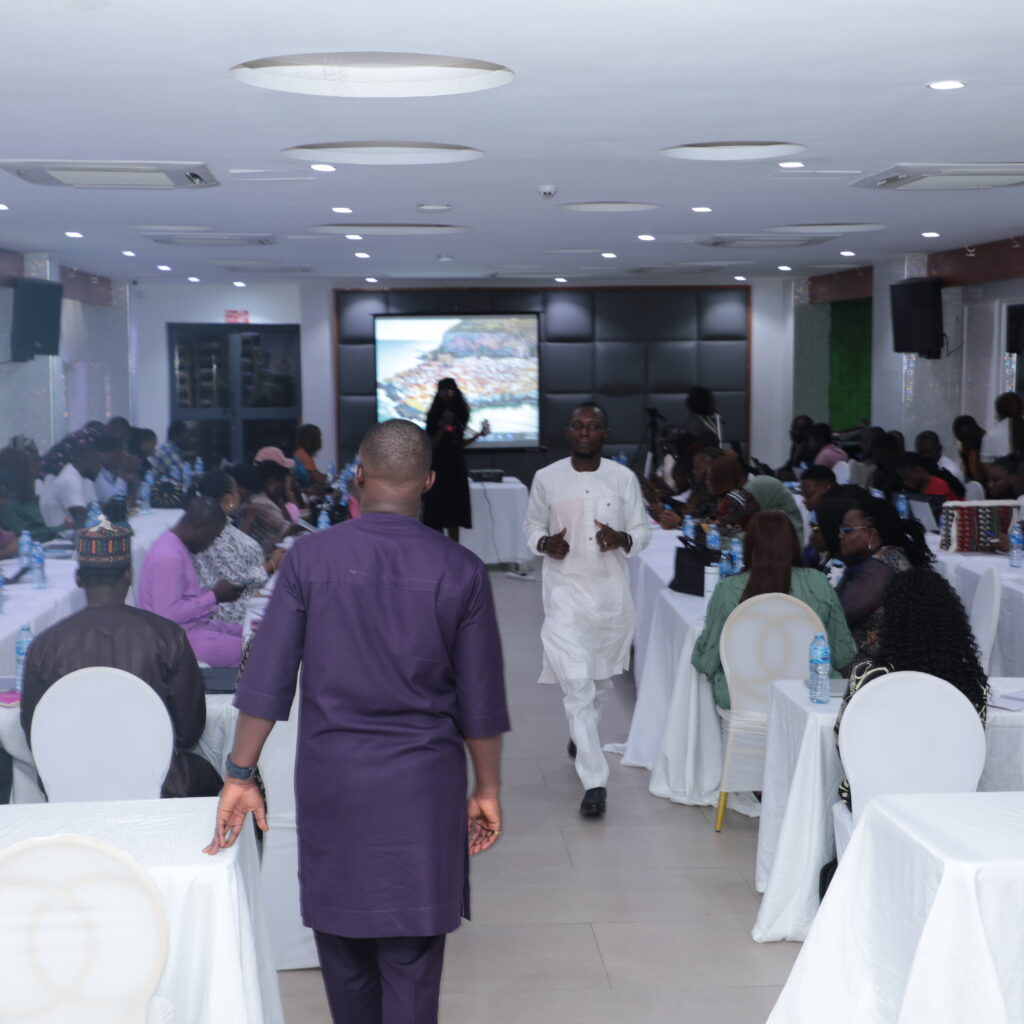
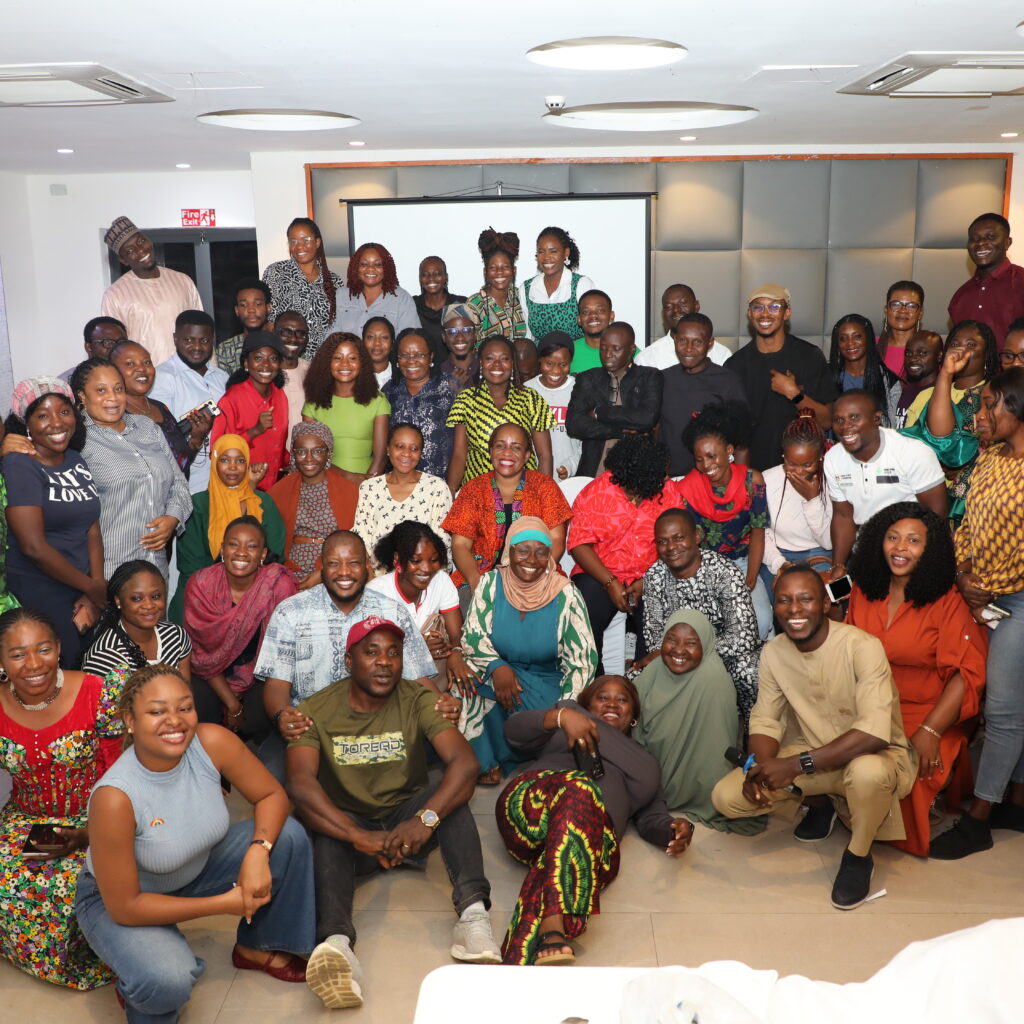
ActionAid Nigeria has trained over 90 representatives of Women’s Rights Organizations (WROs) on Feminist Monitoring, Evaluation, Accountability and Learning (FMEAL), as well as strategic communication skills.
The training, held in Gwarimpa, Abuja, had participants from across the six geopolitical zones of Nigeria under the Renewed Women’s Voice and Leadership Nigeria (RWVL-N) Project.
Welcoming participants, Women’s Rights Specialist, Mrs. Niri Goyit, noted that women and girls across Nigeria continue to demonstrate remarkable resilience, leadership, and courage despite persistent challenges, including inequality, insecurity, and social exclusion.
She explained that through the RWVL-N Project, ActionAid Nigeria remains committed to supporting transformative actions that amplify the voices, experiences, achievements, and aspirations of women and girls.
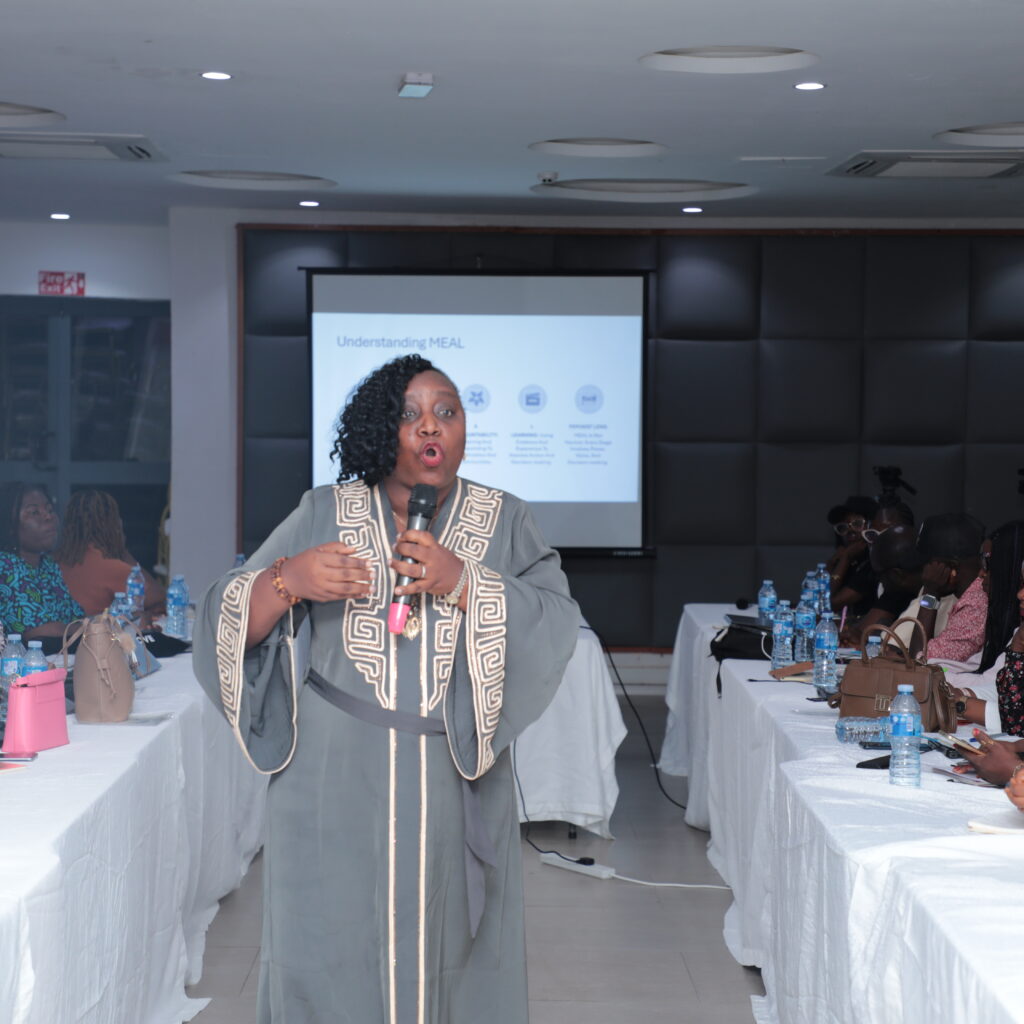
Speaking on the basics of FMEAL and Feminist Monitoring, Evaluation and Research, FMEAL expert, Idoteyin Ezirim, explained that while project monitoring is a continuous process, evaluation is conducted periodically to assess outcomes and impact.
She emphasized that feminist evaluation promotes participation, embraces diversity and inclusion, and utilizes evidence to advance social justice and gender equality.
In a session titled, “Turning Data into Stories,” the Communication Advisor for the RWVL-N Project, Anastasia Duru, urged participants to develop compelling narratives that effectively engage their target audiences.
According to her, understanding the audience is critical to crafting impactful stories that inspire action and drive positive change.
Other facilitators, including Se-ember Oteyi, Ebelechukwu Onyekwere, and Adeyinka Adepoyigi, encouraged participants to intensify their efforts toward achieving the goals and objectives of the project.
Participants actively engaged in discussions, asking questions and seeking practical solutions to challenges encountered in their roles as Monitoring and Evaluation Officers and Communication Officers.
The training also featured photography sessions, and other interactive learning activities designed to enhance participants’ professional competencies.
The Renewed Women’s Voice and Leadership Nigeria (RWVL-N) Project, funded by Global Affairs Canada with support from ActionAid Nigeria, is implemented in Imo State by Communal Care Centre, and seeks to support women in conflict situations by amplifying their voices and strengthening their capacity for sustainable livelihoods.
Women of Akabor Autonomous Community in Oguta Local Government Area of Imo State have identified infidelity in marriage, domestic violence, communal clashes, and the activities of herders as some of the major challenges affecting their well-being and development.
The concerns were raised during an interactive meeting organized by Communal Care Centre, a non-governmental organization implementing the Renewed Women’s Voice and Leadership Nigeria (RWVL-N) Project.
The project, funded by Global Affairs Canada with support from ActionAid Nigeria, focuses on supporting women in conflict situations by amplifying their voices in conflict-affected communities and strengthening their capacity for sustainable livelihoods.
The women also identified land disputes, cult-related activities, polygamy, and other social issues as factors that contribute to and escalate conflicts within the community.
They lamented that women are often undervalued and subjected to various forms of discrimination, noting that widows are particularly vulnerable to abuse and loss of dignity.
According to them, whenever conflict occurs, women are frequently denied their fundamental rights, including freedom of movement and the opportunity to express their opinions on matters affecting the community.
Despite these challenges, the women commended the efforts of their traditional ruler, Eze Nkemjika Ubah, religious leaders, vigilante personnel, and women’s groups for their contributions towards maintaining peace and reducing conflicts in the area.
Speaking during the exercise, Mrs. Chiamaka Nwoke attributed many of the conflicts to injustice and patriarchal attitudes among men. She called for greater understanding between men and women and advocated increased inclusion of women in community affairs.
Mrs. Nwoke emphasized that dialogue remains one of the most effective tools for resolving disputes and fostering peaceful coexistence.
Also speaking, Mrs. Leticia Ogbonna advocated increased awareness of women’s rights, peacebuilding initiatives, and conflict mitigation strategies. She stressed that sustainable development can only thrive in an atmosphere of peace, mutual respect, and social justice.
From May 18th – 20th 2026, ActionAid Nigeria conducted a Resource Mobilization and Diversification Training in Lagos, bringing together all her partners from the southern states, under the Renewed Women’s Voice and Leadership Nigeria (RWVL) Project. This intensive training provided Women’s Rights Organizations (WROs) with practical tools to -Secure sustainable funding -Diversify income streams -Strengthen long-term financial resilience Communal Care Centre (CCC), a distinguished NGO based in Oguta, Imo State participated actively in this transformative training Under the visionary leadership of the Executive Director Mrs. Colette Bennett A huge thank you to Global Affairs Canada for their continued support of transformative movements and gender equality in Nigeria. Many thanks also to ActionAid Nigeria team for the very impactful sessions. #RWVL #AllNigeriaWomenMatters #ResourceMobilization #WomensLeadership #ActionAidNigeria #FinancialSustainability #GlobalAffairsCanada #CommunalCareCentre
…Announces Commencement of Two-Year Project in Host Communities
The Executive Director of Communal Care Centre, Mrs. Collette Benett, has announced the commencement of a two-year intervention project in Mgbirichi/Abakuru Autonomous Community and Umuokanne Autonomous Community, both in Ohaji/Egbema Local Government Area of Imo State.
She further disclosed that the project would also be implemented in Ejemekwuru Autonomous Community and Akabo Autonomous Community in Oguta Local Government Area.
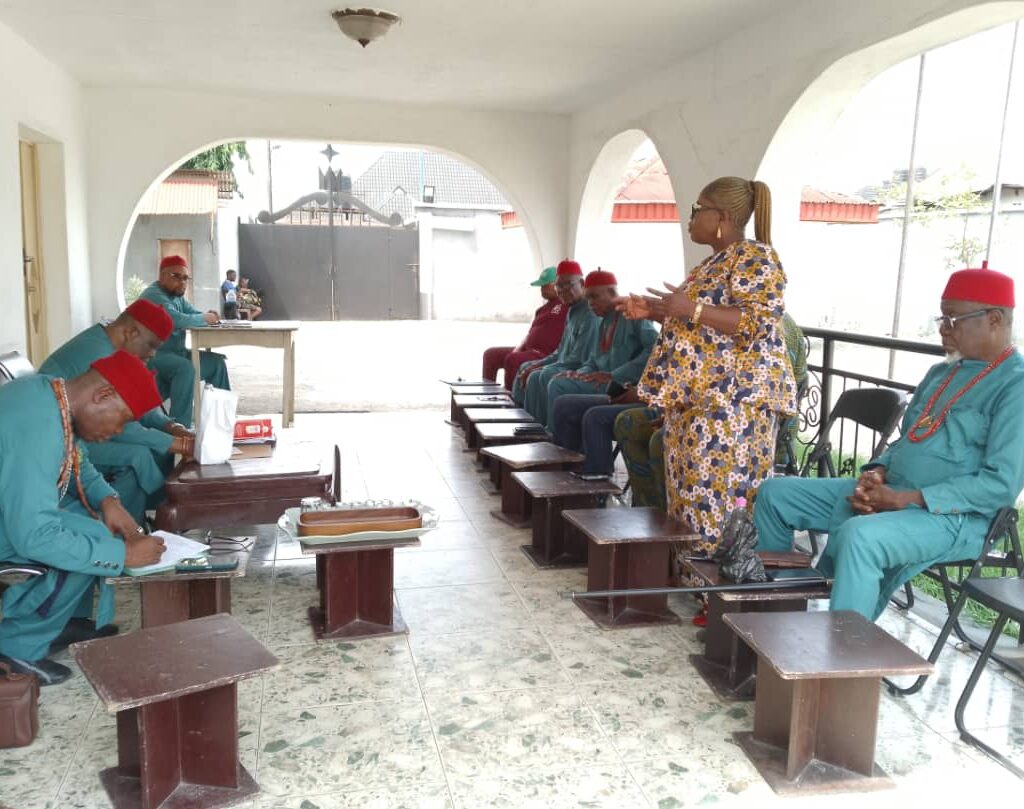
Mrs. Benett made the announcement during a courtesy visit to the traditional rulers of Mgbirichi/Abakuru and Ejemekwuru Autonomous Communities.
The project, funded by Global Affairs Canada and implemented by Communal Care Centre with support from ActionAid Nigeria under the Renewed Women’s Voice and Leadership Nigeria (RWVL-N) Project, is focused on women in conflict situations. It aims at amplifying the voices of women in conflict-affected communities while strengthening their capacities for sustainable livelihoods.
Speaking at the palace of the traditional ruler of Mgbirichi/Abakuru Autonomous Community, Mrs. Benett said the initiative is centred on conflict prevention in homes and society, noting that conflict often hinders development in communities.
She explained that the organization would build the capacity of women in areas such as early conflict detection, mitigation, conflict resolution, and peacebuilding.
According to her, women in the benefiting communities would also receive agricultural support and be encouraged to develop a savings culture through the establishment of Village Savings and Loan Schemes (VSLS).
Mrs. Benett appealed to the Eze-in-Council to grant approval for the successful implementation of the project in the community.
Responding, the traditional ruler of Mgbirichi/Abakuru Autonomous Community, Eze Akuwueze Ralph Ikegwuruka, represented by the Traditional Prime Minister, Prince Dr. Tony Ikegwuruka, described the initiative as a welcome development and gave approval for its execution in the community.
Earlier, the Palace Secretary, Dr. Johndonald Ikegwuruka, raised concerns about the sustainability of the project and urged the organization to ensure a workable and sustainable exit plan.
At Ejemekwuru Autonomous Community, the traditional ruler, Eze Hippolite Duru, commended the initiative, describing it as beneficial to the people of the community, and assured the organization of his support towards the successful implementation of the project.
As part of efforts to promote and protect the rights of women and girls in Nigeria, Communal Care Centre with support from @ActionAidNigeria through the Renewed Women’s Voice and Leadership Nigeria (RWVL-N) Project, announces the commencement of a 5 year project in Imo State, with a focus on Women in Conflict, aimed at Amplifying the Voices of Women in Conflict affected areas and Strengthen their capabilities for Sustainable Livelihood. This project is fully funded by @GlobalAffairsCanada. 👉🏽 Visit www.feministhub.org to learn more and sign up to be part of the movement. #AllNigerianWomenMatter #CanadaDev #CanadaInNigeria