
Insecurity limits people’s ability to live peacefully and participate fully in community life.
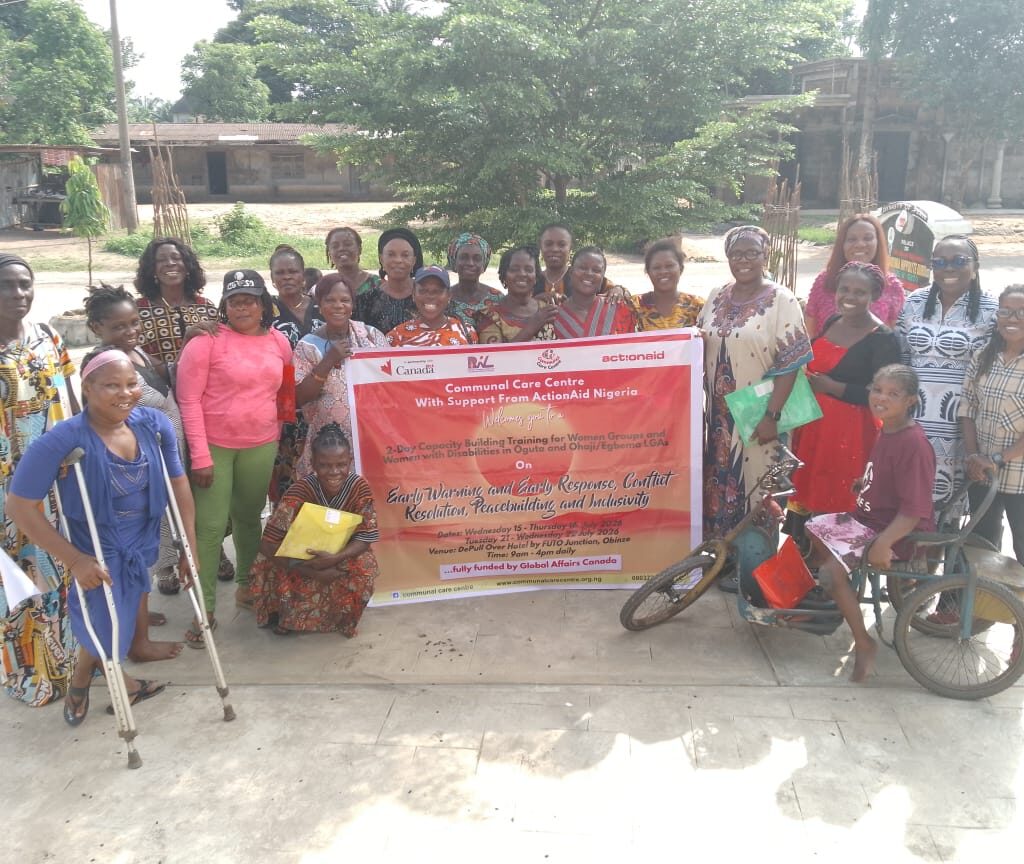
This formed part of the discussions at a two-day capacity building training for women groups and women with disabilities in Ejemekwuru and Akabor Autonomous Communities, Oguta Local Government Area, Imo State.
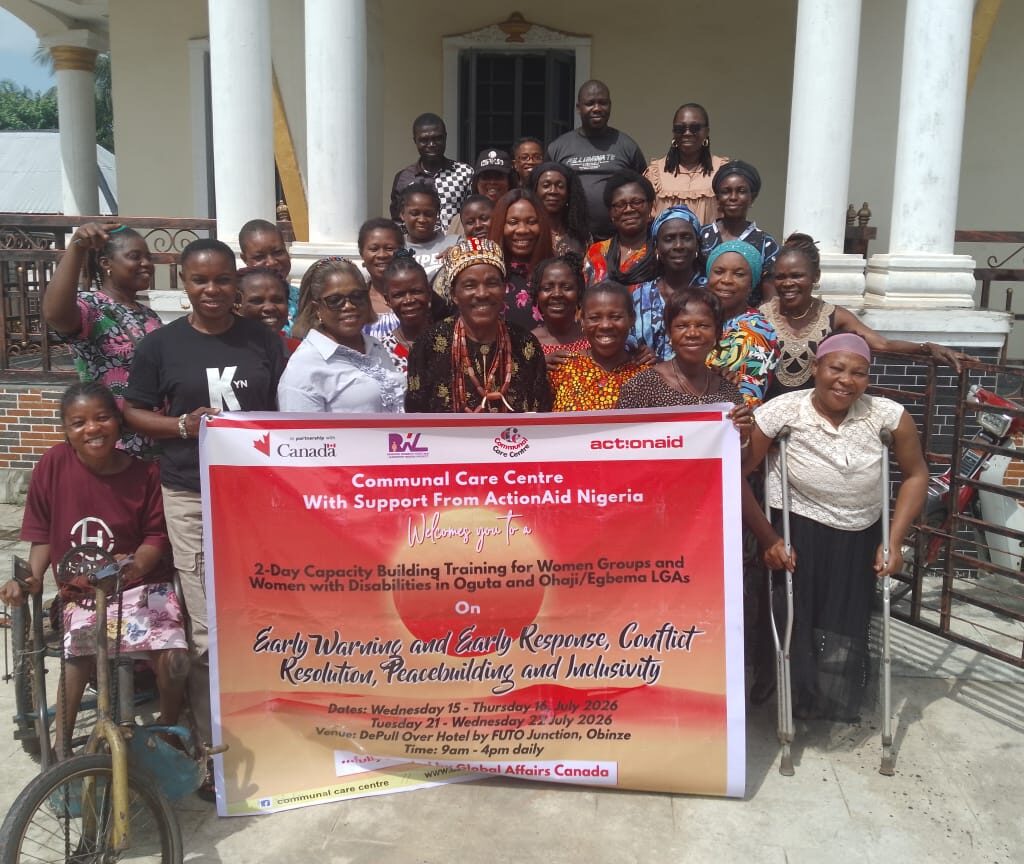
The training, themed “Early Warning and Early Response, Conflict Resolution, Peacebuilding and Inclusivity, was organized by Communal Care Centre, with support from ActionAid Nigeria. It took place at the palace of the traditional ruler of Ejemekwuru Autonomous Community, Eze Hypolite Duru.
The women identified weak justice and security systems, poverty, unemployment, drug abuse and youth restiveness as root causes of insecurity.
They also attributed gender-based violence, discrimination, political tensions and election violence as major causes of insecurity, calling for concerted efforts to end insecurity in communities.
“These make us feel unsafe and expose us to threats that endanger our lives, rights, livelihoods, and property,” they added.
They suggested an inclusive security outfit that involves women, appealing that women should also be considered for leadership positions in the community.
Mrs. Ogechi Karaibe and Mrs. Olumma Achunine both from Ejemekwuru lamented that rising cases of kidnapping and herdsmen activities in the area have caused persistent fear among the people, particularly women.
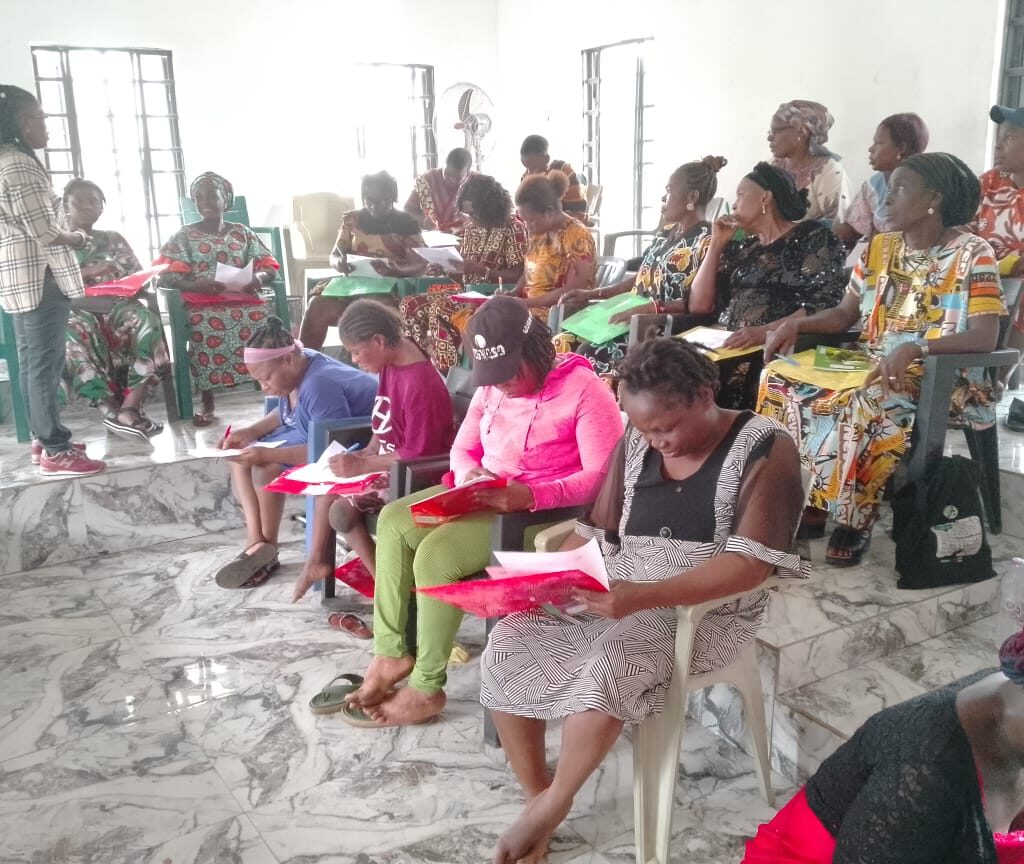
Mrs. Chiamaka Ubah who represented the Woman Leader of Akabor Autonomous Community said the two-day training has empowered her to become a better mediator, giving her greater knowledge of early warning signs of conflict and mitigation procedures to avoid escalation.
Mrs. Leticia Ogbonna, who coordinates women for a particular political group, said the training has enlightened her on issues concerning conflict and peacebuilding, expressing confidence that the programme would achieve positive outcomes before the end of the two-year project.
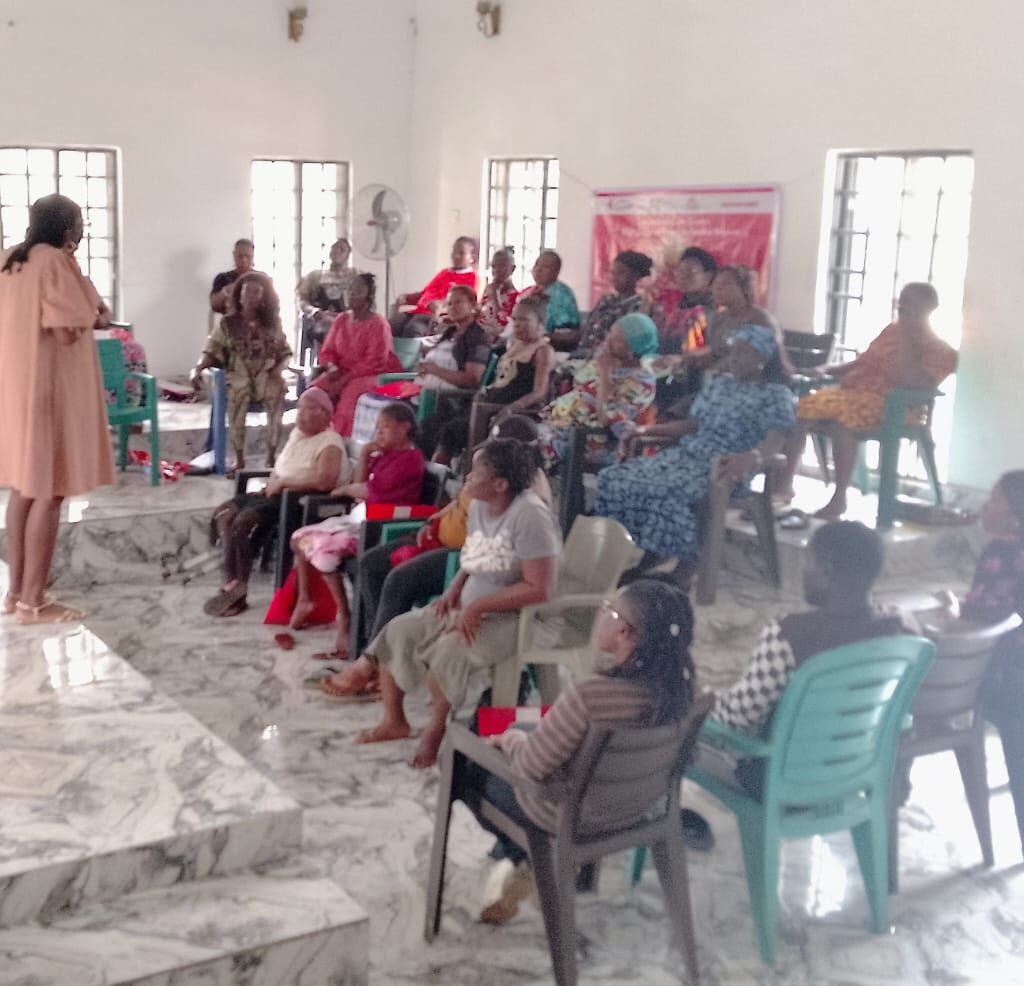
Earlier, the representative of the Director, Ministry of Women Affairs and Social Welfare, Mrs. Chetachi Ogburie urged the participants to commit both time and energy to the training and become empowered to lead their homes and communities.
She highlighted the role of women in peacebuilding and conflict resolution, noting their uncommon ability to detect early warning signs of conflict. She enjoined them to apply all they had learnt and always contribute meaningfully to the development of their communities.
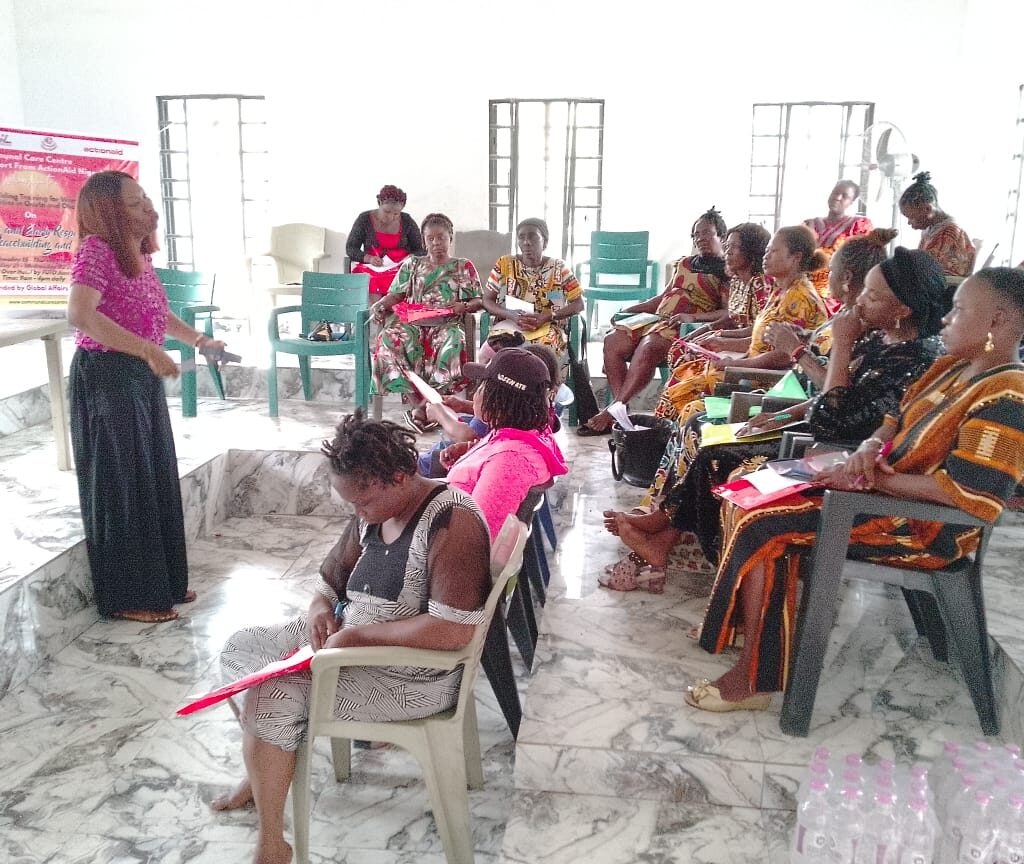
The Executive Director of Communal Care Centre, Mrs. Colette Bennett said the expected outcome of the project is to ensure that women are part of the security architecture of their communities. She urged participants to embark on advocacy to make it a reality.
She informed them that a Village Savings and Loans Association (VSLA) would be established to strengthen their savings culture, improve their financial skills and accountability in business while cooperatives would be formed to help them access loans.
She highlighted the importance of the value chain, encouraging them to always add value to their businesses or skills.
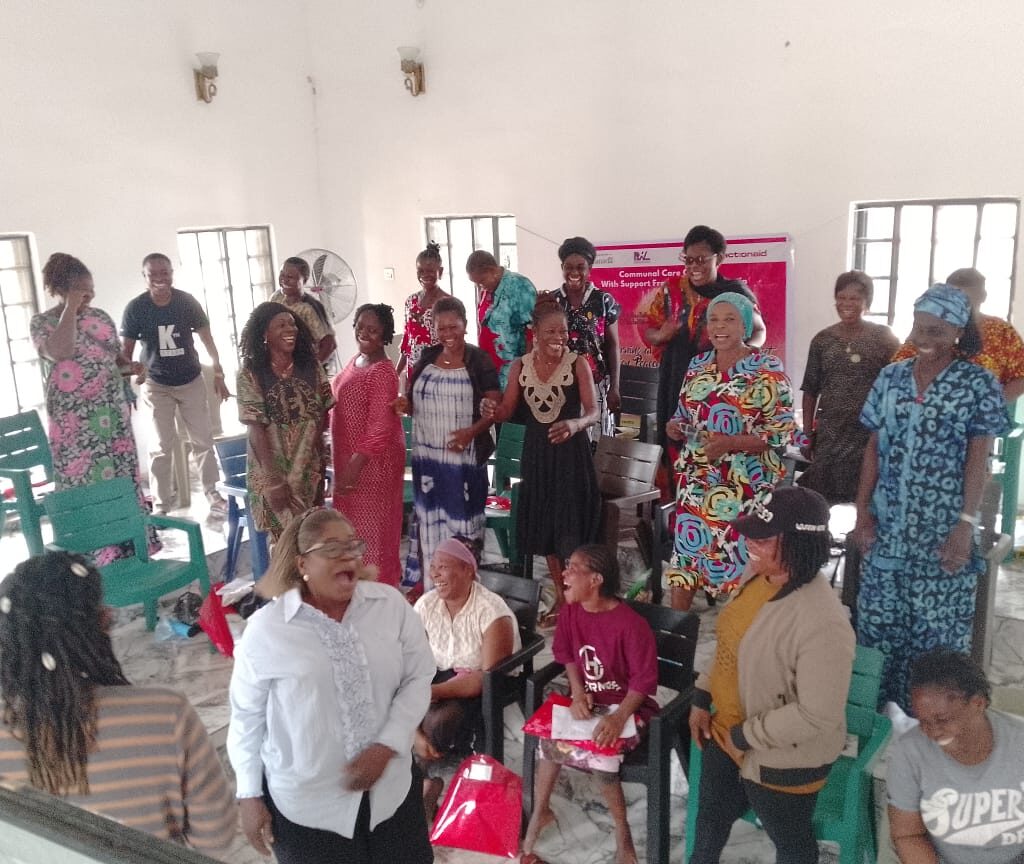
She explained that the project targets strengthening their capacities to amplify their voices in their communities and raise powerful mediators with the potential to resolve issues within their communities.
In her presentation, a resource person, Mrs. Juliet Okeiyi explained that women should participate in community security architecture to ensure that their concerns and those of their children are adequately represented.
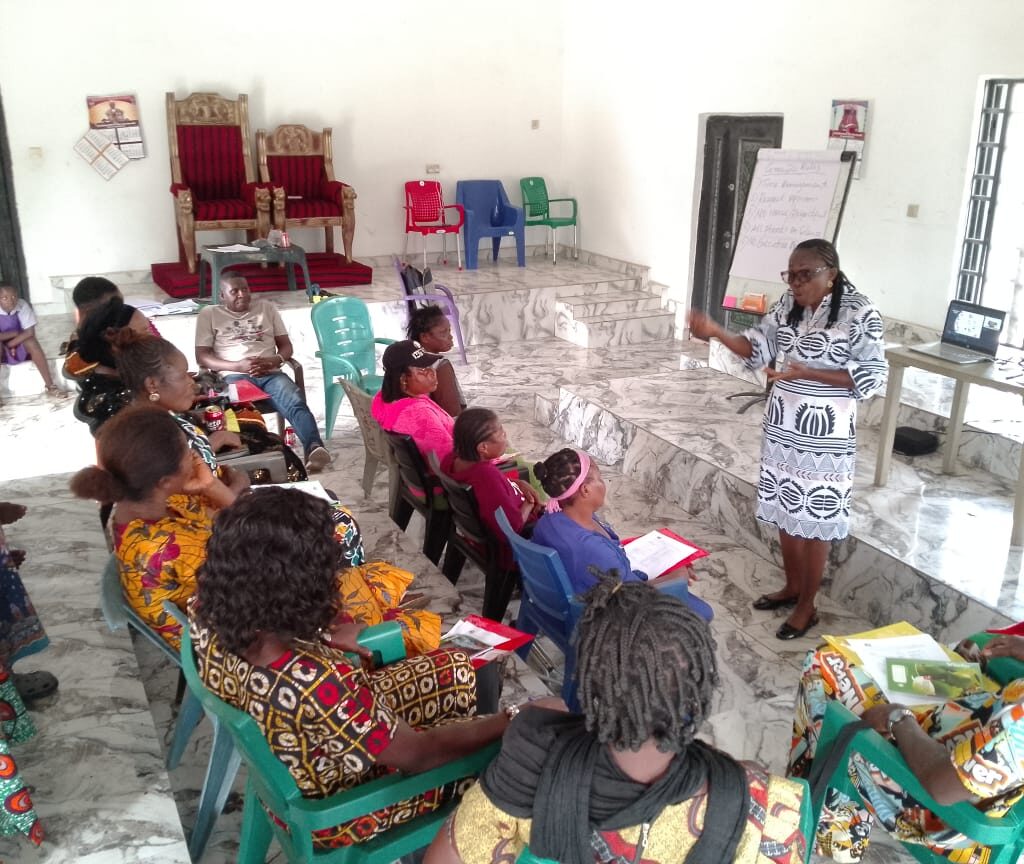
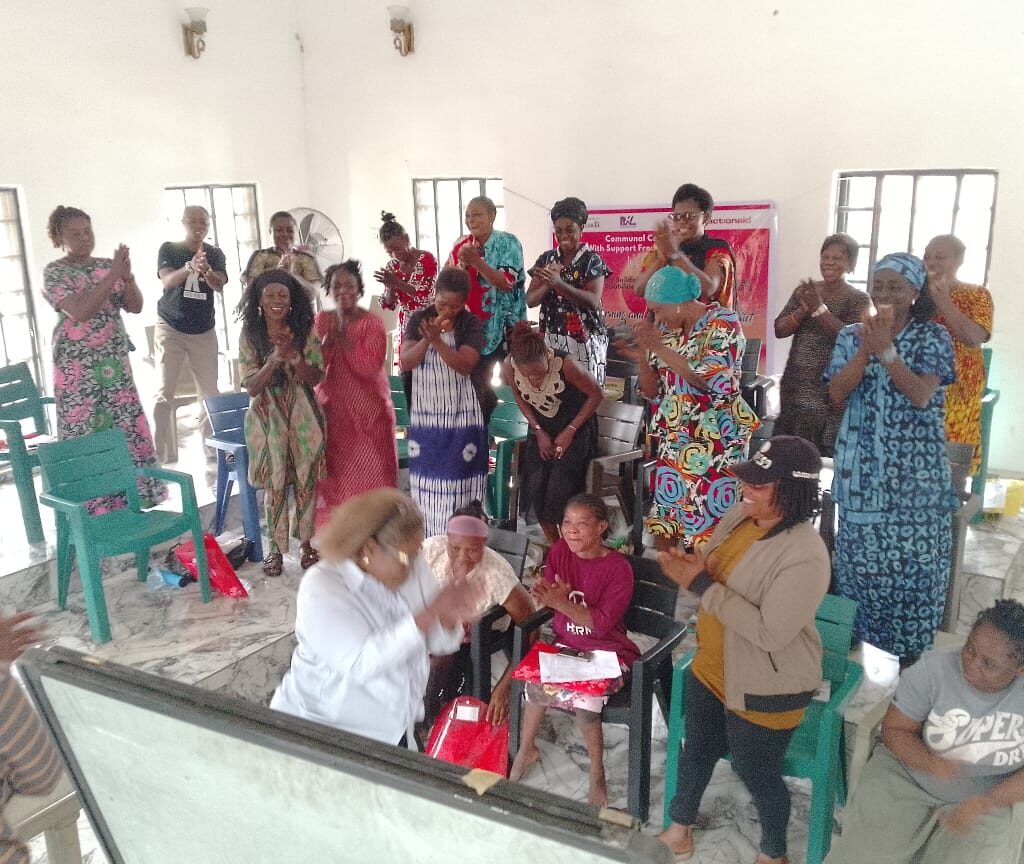
The two-day capacity building training featured role play, group work and other side attractions.
#RWVL
#AllNigeriaWomenMatters
#ActionAidNigeria
#GlobalAffairsCanada
Stanley Okehie
Communications Officer,
Communal Care Centre